Discover Local Sources for Sustainable Refurbished Furniture Near Me
Sustainable refurbished furniture means pre-owned or reclaimed wooden pieces that have been repaired, restored or imaginatively reworked so they last longer and leave a smaller environmental footprint. This guide explains why refurbished wooden furniture is a sensible choice for eco-aware homeowners, where to find trusted local sources, and what to check before you buy. You’ll discover the environmental and financial upsides, a practical inspection checklist, and how bespoke remodeling can make vintage items work in modern homes. We also map local visitable stock around Harrogate, outline common categories such as dining tables and wardrobes, and run through commissioning and finishing options — including our upcoming kitchens. Read on to learn the benefits, find nearby stock, commission bespoke work, and evaluate pieces with confidence while keeping sustainability front of mind.
What Are the Benefits of Choosing Sustainable Refurbished Furniture?
Choosing sustainable refurbished furniture cuts waste and embodied carbon by reusing existing timber and components — delivering environmental savings without giving up style or function. The idea is simple: careful restoration extends an item’s life, keeps materials out of landfill and reduces demand for freshly felled wood, which together lower the product’s lifecycle impact. Buyers also often save money: restored solid‑wood pieces frequently cost less than comparable new items and usually benefit from sturdier construction. Finally, refurbished items bring character and one‑off detail that mass-produced furniture rarely offers. The section below explains the practical ways refurbishment supports greener homes and lower carbon footprints.
Refurbished furniture brings four practical benefits for homeowners and the circular economy:
- Environmental impact reduction: Reusing solid timber diverts waste and lowers demand for new wood.
- Cost savings: Restored pieces often cost less than new equivalents and can outlast them.
- Quality and durability: Traditional joinery and solid frames typically outperform cheaper new alternatives.
- Unique character: Patina, original finishes and bespoke remodelling create truly individual pieces.
These points explain why many buyers prefer refurbished options. Next we look closer at how refurbishment saves materials and carbon in practice.
How Does Refurbished Wooden Furniture Support Eco-Friendly Living?
Refurbished wooden furniture helps local circular economies by keeping materials moving through repair and reuse, cutting the need for new raw materials and reducing waste. Restoration preserves existing joinery, hardware and timber, which reduces the embodied energy tied up in manufacturing and long‑distance transport of new furniture. Recent consumer trends show growing demand for circular solutions — people increasingly choose pieces for their provenance, repairability and lower lifecycle impact. Common examples include salvaging oak table tops, reconditioning drawer runners, and replacing only damaged parts rather than remanufacturing entire pieces. These practical actions show how refurbishment directly contributes to more sustainable households and why many restored items are both tougher and more characterful than mass-produced alternatives.
| Item | Sustainability Attribute | Practical Benefit |
|---|---|---|
| Restored Oak Table | Reuses existing hardwood and original joinery | Lasts longer and reduces demand for new timber |
| Repaired Sideboard | Salvaged internal components and hardware | Diverts waste from landfill and preserves materials |
| Upcycled Wardrobe | Reconfigured for new use with minimal new material | Extends service life and adapts to modern needs |
The table shows how everyday refurbishment choices translate into sustainability outcomes and useful household benefits.
Why Is Refurbished Furniture More Durable and Unique Than New Pieces?
Many refurbished pieces come from eras when solid wood and traditional joinery were standard — giving them structural advantages over some modern, mass‑produced items. Restoration work focuses on reinforcing frames, repairing or replacing failing joints and renewing hardware so the piece is sound for decades more. Skilled restoration also preserves surface patina and small character marks that contribute to a one‑off look prized in contemporary interiors.
For example, a restored dining table with reinforced mortise‑and‑tenon joints will often outlast a similarly priced new laminate table because the original materials and construction are more repairable. Recognising that durability and uniqueness helps buyers choose pieces with genuine long‑term value and points them to where to source such finds locally.
Where Can You Find Sustainable Refurbished Furniture Shops in Harrogate and Nearby?
Finding sustainable refurbished furniture locally means visiting specialist workshops, well‑run second‑hand shops and restoration-focused sellers who show restored stock either in a showroom or warehouse. In Harrogate and the surrounding area, many visitable outlets combine a display area with an on‑site workshop where restoration and bespoke commissions are carried out — so you can inspect workmanship and talk finishes face to face. Several local providers also offer nationwide delivery and regional pickup, so buying locally restored pieces is practical even if you’re not nearby. Below we describe what to look for in a trustworthy local source and give practical advice for arranging visits to view stock and discuss bespoke options.
What Makes Sustainable Refurbished Furniture By HDS a Trusted Local Source?
Sustainable Refurbished Furniture By HDS runs a physical shop and warehouse in Harrogate, with visible stock and on‑site restoration services that showcase craftsmanship and transparency. We restore and sell refurbished wooden furniture, offer bespoke remodelling and are planning a kitchens offering marked “Kitchens coming soon!”, while also providing nationwide delivery for customers further afield. Our local address is Unit 1B, Hollins Lane, Hampsthwaite, Harrogate HG3 2HL — enquiries can be made via our contact page, by email at sales@furniturebyhds.com or by phone on 07583 489580. On‑site workshop access, bespoke commissions and delivery options let buyers inspect quality, verify provenance and commission work with confidence — especially important when choosing restored furniture.
How to Visit and Explore the Harrogate Shop and Warehouse?
Before you visit, bring measurements, photos of your space and a short brief describing desired finishes or modifications so conversations are purposeful. On arrival, check key structural elements such as frame integrity and drawer operation, and ask to see restoration records or before‑and‑after photos to confirm the scope of repairs. Ask about delivery logistics and lead times for bespoke work, and inspect finish samples or swatches. For an efficient visit, schedule an appointment using the contact details above and bring room measurements and inspiration images. These simple steps make in‑person visits more productive and let you discuss bespoke possibilities and delivery in detail.
- What to bring: Measurements, room photos, preferred finish samples.
- Questions to ask: Provenance, restoration methods, delivery and installation options.
- Viewing tips: Check joinery, underside of pieces and hardware operation.
Preparing this way helps you make informed decisions when acquiring refurbished furniture.
Which Types of Bespoke Refurbished Furniture Are Available Locally?
Local refurbishers and restoration shops typically offer a broad range of bespoke and restored pieces suited to dining rooms, bedrooms and hallways. Common items include dining tables, vintage sideboards, wardrobes, chairs and dressers — and increasingly ex‑display or refurbished kitchens. Offerings range from fully restored originals to reconfigured pieces adapted for modern use, with finishes from hand‑painted to spray lacquer depending on the look and durability required. Commissioning usually allows custom sizing, material choices and hardware selection so restored pieces integrate smoothly into contemporary homes. Below we outline typical features of dining tables and sideboards, then explain commissioning for wardrobes and the forthcoming kitchen offering.
What Are the Features of Refurbished Dining Tables and Vintage Sideboards?
Refurbished dining tables often keep solid tops, sturdy legs and traditional joinery such as mortise‑and‑tenon or dovetail joints, delivering better stability and repairability than many modern alternatives. Typical finishes include stripped and oiled surfaces that highlight wood grain, or durable painted finishes for contemporary schemes; hardware and drawer runners are usually serviced or upgraded during restoration. Buyers should check top thickness, leg stability and underside reinforcements to make sure the piece has been structurally renewed where needed, and consider how the style works with existing seating and room scale. Styling tips: pair a restored table with modern chairs for contrast, or place a vintage sideboard under contemporary lighting to bridge eras. Knowing these features helps you choose pieces that combine craftsmanship with usable finishes for everyday life.
| Type of Furniture | Material / Finish Options | Typical Use / Commission Notes |
|---|---|---|
| Dining Table | Oak, reclaimed hardwood; oiled or painted finishes | Check top thickness and joint reinforcement; custom sizing often available |
| Vintage Sideboard | Mahogany, pine; hand‑painted or lacquered surfaces | Great for storage and display; drawers and runners refurbished as required |
| Wardrobe / Armoire | Solid timber frames; bespoke interior fittings | Can be resized or reconfigured for modern layouts; hardware upgrades common |
This comparison helps you match piece types to intended use and commissioning expectations when planning a bespoke restoration.
How Can You Commission Bespoke Wardrobes and Upcoming Refurbished Kitchens?
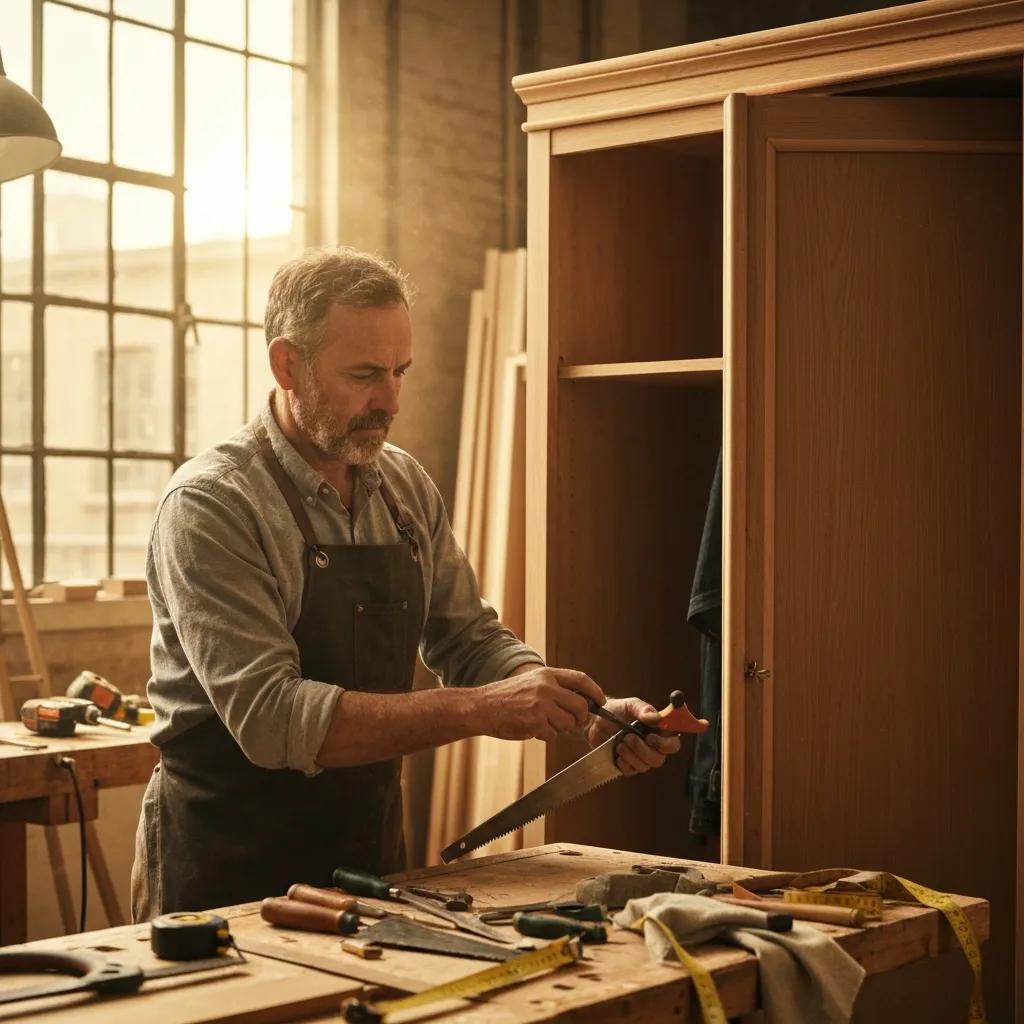
Commissioning bespoke wardrobes usually starts with an initial consultation where measurements, storage needs and finish preferences are recorded, followed by design mock‑ups and approval of materials and hardware. For wardrobes, common options include custom shelving, internal drawer systems and painted or distressed finishes to match your decor; lead times vary with complexity and finish. Our forthcoming kitchens follow the same consultative pattern — design brief, measurements, finish selection and installation planning — advertised as “Kitchens coming soon!” to welcome pre‑launch enquiries and early conversations. For any commission, bring measurements and inspiration images to the first meeting and confirm delivery and installation arrangements during the proposal stage. This pathway ensures bespoke pieces meet functional needs while reusing existing timber and components wherever possible.
- Commission steps: Consultation, measurement, design approval, restoration/build, delivery and installation.
- Finish choices: Hand‑painted, spray lacquer, natural oil or other protective coatings.
- Lead time note: Varies by scope — discuss timelines at the initial consultation.
These steps set clear expectations and help plan the installation of bespoke refurbished items in your home.
How Does Bespoke Furniture Remodeling Enhance Sustainable Home Furnishings?
Bespoke remodelling repurposes existing pieces for new functions or sizes, extending their service life and preventing premature disposal — which improves sustainability and lets you personalise your home. By reconfiguring drawer interiors, resizing tall units or fitting modern hardware, remodelers turn vintage items into solutions suited to contemporary storage and layouts. Thoughtful remodelling adds value beyond looks: it makes pieces ergonomically appropriate and easier to repair in future, supporting circular‑economy principles. The following section lists typical restoration services and explains how paint and finishing choices add both protection and design value.
What Custom Furniture Restoration Services Does Sustainable Refurbished Furniture By HDS Offer?
Sustainable Refurbished Furniture By HDS offers structural repairs, joinery restoration, surface re‑finishing and bespoke builds to adapt pieces for modern use while keeping original character. Structural work includes reinforcing frames, repairing or replacing legs and servicing drawer runners — all aimed at extending usable life and ensuring everyday safety. Surface services run from hand‑painting and spray finishes to protective topcoats that balance looks with durability. Bespoke builds allow custom sizing or reconfiguration to meet client needs. Contacting us about a specific piece gives accurate advice on feasibility and likely timelines so you can make an informed decision about restoration or commission.
How Does Custom Painting and Finishing Add Value to Refurbished Pieces?
Custom painting and finishing protect restored furniture from future wear while helping pieces match your interior palette and design aims. Chalk‑style hand‑painting gives a textured, bespoke appearance; spray lacquers or durable oils provide long‑lasting protection for high‑traffic surfaces such as dining tables and worktops. Protective coatings also reduce the need for frequent maintenance, preserving the environmental gains of refurbishment through prolonged use. Discussing finish trade‑offs during commissioning helps you prioritise durability or preserved patina depending on intended use, linking design choices to longevity.
What Should You Know Before Buying Refurbished Furniture Near Me?
Before buying refurbished furniture locally, use a consistent inspection checklist, ask targeted questions about restoration work and compare lifecycle costs against new alternatives to confirm value and sustainability. Start with in‑person structural checks, then confirm what restoration was done and clarify delivery and installation options for large pieces. Many buyers find a short checklist useful for spotting acceptable repairs and warning signs to avoid — and for verifying provenance and materials used during restoration. Below is a practical table showing inspection points, what to look for and acceptable conditions to guide confident purchases.
How to Assess Quality and Condition of Refurbished Wooden Furniture?
Inspecting refurbished furniture means focusing on structure, surface and hardware: check legs, joints and undersides for repaired or replaced elements and ensure drawers and doors operate smoothly. Surface issues like minor scratches or patina are usually fine, but deep structural cracks, insect damage or serious delamination are red flags that affect long‑term value. Ask about the restoration techniques used — whether joinery was reinforced, hardware serviced or replaced, and which protective finishes were applied — to verify workmanship. If possible, request before‑and‑after photos or a short restoration summary; transparency like this signals professional practice and helps you judge whether a piece meets your standards.
| Inspection Point | What to look for | Acceptable condition / Notes |
|---|---|---|
| Joints and frame | Tightness of joints, signs of reinforcement | Reinforced joints acceptable; avoid loose or wobbly frames |
| Surface finish | Evenness and presence of protective coating | Patina OK; flaking veneer or deep delamination not acceptable |
| Hardware & runners | Smooth operation and secure fittings | Serviced or replaced hardware acceptable; missing parts are a concern |
Use this table as a quick reference during viewings — prioritise structural soundness over minor cosmetic marks.
What Are the Environmental and Cost Benefits Compared to New Furniture?
Refurbished furniture usually costs less up front and can reduce long‑term replacement expenses because restored solid wood often lasts longer than cheaper new alternatives that need replacing sooner. Environmentally, refurbishment cuts waste and embodied carbon by reusing materials and avoiding production emissions tied to new manufacture and long‑distance shipping. For many households, refurbished pieces win when durability, repairability and character matter; new furniture may be preferable only when exact sizing, engineered performance or a specific warranty is required. Comparing total cost of ownership — purchase price plus expected lifespan and maintenance — often reveals refurbished furniture as the more sustainable and economical choice.
- Cost comparison: Lower upfront cost and potentially lower lifetime cost thanks to durability.
- Environmental comparison: Less material demand and waste; supports circular‑economy goals.
- When to choose new: Where exact sizing, specialised engineering or warranty coverage are essential.
These considerations help you align buying choices with both budget and sustainability goals.
How Can You Learn More About Sustainable Furniture and Local Customer Experiences?
To learn more, review restoration case studies, before‑and‑after galleries and local customer stories that explain the process, timeline and outcomes — these build trust and set realistic expectations. Visual galleries that show restoration stages with short captions explaining the interventions are especially useful for judging workmanship and scoping similar projects. Local providers often supply references or let you see completed commissions in their showroom; asking for visual evidence of prior work helps evaluate finish quality and joinery standards. The next section explains where to find testimonials and how current trends can guide choices for 2025.
Where to Find Customer Testimonials and Before-and-After Restoration Stories?
Look for testimonials that focus on process clarity, reliable timelines and workmanship rather than vague praise. Short project summaries that state the problem, the restoration approach and the outcome are most helpful. Before‑and‑after photos with captions that highlight structural repairs, finish decisions and functional upgrades are particularly useful when assessing a restorer’s capability. Ask providers to share local case stories or sample projects in their showroom so you can inspect finished pieces and ask specific questions about techniques used. These direct customer experiences and visual case studies provide practical proof of quality and help set realistic expectations for your commission.
What Are the Latest Trends in Sustainable and Vintage Furniture for 2025?
Trends for 2025 emphasise authenticity, repairability and muted, nature‑inspired palettes that favour warm wood tones, low‑VOC finishes and mixed‑era styling that pairs vintage cores with contemporary accents. Popular directions include farmhouse reinterpreted with minimalist hardware, renewed interest in late‑20th‑century silhouettes with fresh finishes, and a growing appetite for multipurpose pieces that suit smaller, flexible living spaces. Finish trends lean toward durable, low‑VOC coatings and hand‑applied paint effects that balance look with environmental impact. Knowing these trends helps you choose refurbished pieces that feel current and will remain relevant for years.
- Style trends: Farmhouse reinterpreted, 1980s revival, mixed‑era pairings.
- Finish trends: Low‑VOC coatings, hand‑painted textures, durable oils.
- Sustainability focus: Repairability and material provenance prioritised.
These trend cues can guide commissioning choices and help you specify finishes and hardware that align with contemporary design while supporting long‑term sustainability.
Frequently Asked Questions
What should I look for when inspecting refurbished furniture?
Focus on structural integrity, surface condition and hardware function. Check for tight joints, reinforced frames and smooth operation of drawers and doors. Minor surface marks or patina are normally acceptable; avoid pieces with deep cracks or significant damage. Ask about restoration techniques — whether joinery was reinforced or hardware replaced — and request before‑and‑after photos where possible to assess quality.
How can I ensure the sustainability of refurbished furniture?
Check the source of materials and the methods used in restoration. Prefer pieces that use reclaimed wood and environmentally friendly finishes and ask about the furniture’s lifecycle — how it was restored and what materials were used. Durable, well‑constructed items are likelier to last longer, reducing future replacement and supporting sustainable practice.
What types of finishes are available for refurbished furniture?
Common finish options include hand‑painted effects, spray lacquers and natural oils. Hand‑painted finishes give a textured, bespoke look; spray lacquers deliver a smooth, protective layer for high‑traffic surfaces; natural oils enhance grain while offering protection. Discuss finish choices with the restorer to pick the right balance of appearance and durability.
Are there specific care instructions for maintaining refurbished furniture?
Maintain refurbished furniture with regular, gentle care. Use a soft, damp cloth for cleaning and avoid harsh chemicals that can damage finishes. For wooden surfaces, apply a suitable conditioner or polish occasionally to maintain luster and protection. Avoid placing hot items directly on surfaces and use coasters to prevent water rings. Following these steps will extend the life of your restored pieces.
How does commissioning bespoke furniture work?
Commissioning usually begins with a consultation to discuss needs, preferences and measurements. The maker will produce design mock‑ups and present material options for approval. Once the design is confirmed, restoration or construction proceeds, including any custom sizing and finish selections. Lead times vary with project complexity, so confirm timelines during the first meeting to align expectations.
What are the advantages of choosing bespoke over off-the-shelf furniture?
Bespoke furniture offers custom fit, material and finish choices to match your space and style. It typically features stronger craftsmanship and longer durability because it’s made to measure with attention to detail. This personalised approach enhances both appearance and function, making bespoke pieces a worthwhile investment for many homes.
How can I find local artisans for refurbished furniture?
Search online for local furniture restoration shops or artisan markets, and check social media platforms like Instagram and Facebook for makers’ portfolios. Visiting local design fairs can also connect you with craftsmen. Personal recommendations from friends or family who’ve commissioned similar work are often the best route to a trusted restorer.
Conclusion
Choosing sustainable refurbished furniture reduces waste and carbon, and it often delivers better value and character than mass‑produced alternatives. By investing in well‑restored pieces you support local makers and contribute to a circular economy that prizes repair and reuse. Explore the options in your area to find pieces that suit your home and values — and visit our site to see our current selection of refurbished furniture.