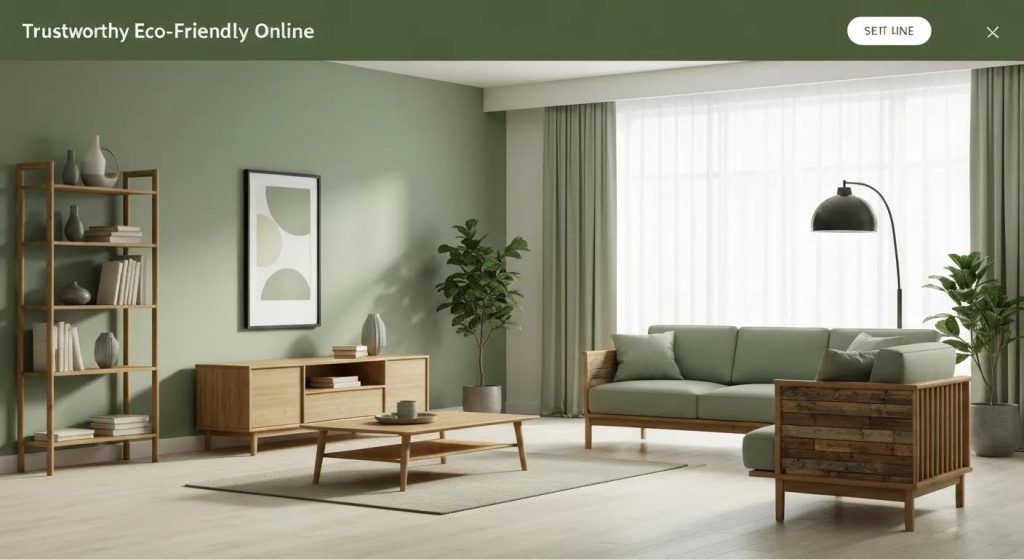
Trusted Eco-Friendly Furniture — Online and Local
Refurbished furniture combines reclaimed timber, careful restoration and thoughtful design to cut environmental impact while giving your home lasting style. This guide lays out what sustainable refurbished furniture is, how refurbishment lowers carbon and waste, and why well-restored wooden pieces often outperform many mass-produced new items. Homeowners who want to reduce embodied carbon, avoid landfill and keep good joinery in use will find refurbished pieces answer those priorities — often with unique character and potential cost savings. Read on to learn the environmental and durability benefits of refurbished wood, how to spot trustworthy online shops and local workshops, and the practical steps involved in responsible restoration and bespoke commissions. We also point to where to find reliable vendors, which refurbishment processes matter for quality and sustainability, and how to buy with confidence whether you visit in person or order online. By the end you’ll have clear checklists, process summaries and next steps to choose sustainable furniture that suits your home and circular-economy values.
Why Choose Sustainable Refurbished Furniture?
Sustainable refurbished furniture is pre-owned or reclaimed solid-wood that has been restored to extend service life while reducing demand for new materials. The idea is simple: keep existing timber and fittings in use instead of making fresh items, which cuts resource extraction, manufacturing emissions and landfill. That approach often yields pieces that are more durable, full of character and better value over their lifetime than many newly made alternatives — and it supports circular-economy principles. The compact comparison below helps homeowners weigh the environmental and economic trade-offs when choosing refurbished options.
Your choice of product affects carbon, cost and lifespan in measurable ways; this helps prioritise impact and long-term value.
| Product Choice | Environmental Attribute | Typical Outcome |
|---|---|---|
| Refurbished Furniture | Lower embodied carbon through reuse | Reduced lifecycle emissions and diverted waste |
| New Solid‑Wood Furniture | Variable sourcing impacts | Possibly higher carbon and resource demand |
| Mass‑Produced Composite Furniture | High manufacturing emissions; short lifespan | Faster replacement cycles and more landfill waste |
The comparison shows how choosing refurbished pieces shifts impact from production to maintenance and longevity — a key benefit when planning sustainable interiors. Next, we explain the specific ways refurbishment delivers these gains.
How Refurbishment Lowers Environmental Impact
Refurbishment reduces environmental harm by keeping timber and hardware in use, cutting the need for freshly felled wood and the emissions from new manufacturing. It diverts usable items from landfill and lowers embodied carbon per year of service — an important metric for sustainable buying. Reuse supports the circular economy through repair, refinishing and selective replacement of parts with reclaimed or sustainably sourced components. Knowing these mechanisms helps you compare options with lifecycle thinking and choose suppliers that publish clear materials and finish information.
Those environmental benefits go hand in hand with another advantage: the superior durability and ongoing value of many refurbished wooden pieces.
Why Refurbished Wooden Furniture Often Lasts Longer and Holds Value
Much of the durability in refurbished wooden furniture comes from traditional solid‑wood construction and strong joinery — features that withstand wear better than many modern mass‑produced items. Skilled restorers tackle structural repairs, reinforce joints and use protective finishes (for example low‑VOC oils or waxes) to preserve original material and extend life. That work can turn an old oak dining table or wardrobe into an heirloom-quality piece that retains, or sometimes increases, its value — especially when bespoke restoration preserves character. Understanding this durability explains why many buyers choose refurbished pieces as long-term home investments.
With durability in mind, the next question is where to find sellers who follow these standards.
Locally, Sustainable Refurbished Furniture By HDS supplies restored wooden furniture and bespoke commissions from a workshop and an online store. Their approach focuses on sustainability, craftsmanship and helping buyers understand the benefits of restored pieces. Having a local workshop complements online browsing by offering hands‑on inspection and bespoke consultations — a hybrid model that serves national online customers and local visitors alike.
Where to Find Trusted Eco‑Friendly Furniture — Online and Locally
Trusted eco‑friendly sellers make buying easier with clear product information, visible restoration methods and accessible viewing options. Good listings show materials, condition notes, close-up photos, product specifications and evidence of sustainable finishes or reclaimed sourcing. Local refurbishers add value by offering workshop appointments, bespoke consultations and the chance to inspect joinery and finishes in person — especially important for larger items and commissions. Use the checklist below as trust signals when evaluating online and local options.
Use these points to vet potential sellers before you buy or commission work.
- Transparent descriptions: Clear information on condition, materials and restoration steps.
- Detailed photos and measurements: Close-ups of joinery and finishes plus accurate dimensions.
- Proof of sustainable practice: Clear notes on reclaimed sourcing, low‑VOC finishes or circular‑economy methods.
These signals help separate reputable providers from ordinary retailers. The local workshop model further strengthens buyer confidence.
How Sustainable Refurbished Furniture By HDS Stands Out in Harrogate and York
Sustainable Refurbished Furniture By HDS works from a workshop and shop at Unit 1B, Hollins Lane, Hampsthwaite, Harrogate HG3 2HL and supports both bespoke commissions and viewings by appointment. You can arrange appointments — open by appointment Monday to Friday, and available 10:00–16:00 Saturday and Sunday — to inspect refurbished wooden furniture and discuss bespoke kitchen ranges or restoration projects with a craftsman. The on‑site workshop enables tangible quality checks, before/after examples and expert advice on finishes and upkeep, helping local buyers verify reclaimed timber and construction methods. That local access sits alongside the online store for customers who prefer to browse remotely but value the option to visit before commissioning work.
That local presence leads naturally to how proper refurbishment workflows ensure consistent quality and sustainability.
What to Expect from a Reliable Eco‑Friendly Furniture Online Store
When buying online, prioritise stores that publish structured product information, clear restoration workflows and firm buyer protections. Check for product‑level details covering wood type, expected lifespan, the restoration work carried out (refinishing, structural repairs), shipping and returns, and the ability to request extra photos or inspection reports. Consumer reviews, transparent pricing and published guarantees or workmanship warranties are strong trust signals. Clear product schema and well‑presented offers also help reputable listings surface in searches. Use the short checklist below before you buy.
These checks reduce purchase risk and make it easier to compare suppliers on objective sustainability and quality criteria.
- Materials & condition: Listings state the wood type and condition clearly.
- Restoration details: The seller explains repairs and finishes applied.
- Aftercare & guarantees: Shipping, returns and workmanship assurances are documented.
Confirming these elements helps you assess restoration quality and decide whether a bespoke commission or a refurbished piece meets your needs.
How the Refurbishment Process Delivers Quality and Sustainability
A transparent refurbishment process starts with a careful assessment, continues through targeted structural repairs and sustainable finishing, and finishes with quality checks to ensure longevity and low environmental impact. Each phase aims to preserve original material where possible and replace only what’s necessary with reclaimed or responsibly sourced components. Using low‑VOC finishes and reclaimed timber panels reduces chemical and resource impacts, and systematic checks — such as testing joinery and finish durability — validate the result. The table below outlines common refurbishment phases and the practical benefits they deliver.
This stepwise breakdown shows how process controls translate into durable, lower‑impact furniture.
| Refurbishment Step | Action Taken | Typical Benefit |
|---|---|---|
| Assessment & salvage | Evaluate structure and decide what to retain | Maximises reuse and reduces new material needs |
| Structural repairs | Reinforce joints; replace damaged parts with reclaimed wood | Restores load‑bearing integrity and extends life |
| Cleaning & surface prep | Remove contaminants and stabilise surfaces | Prepares the piece for a durable finish |
| Sustainable finishing | Apply low‑VOC oils, waxes or natural pigments | Protects wood while cutting chemical emissions |
| Final quality checks | Test joints, fit and finish durability | Ensures longevity and buyer confidence |
Understanding these steps helps you commission work confidently and sets expectations for restoration outcomes.
Key Steps in Restoring Wooden Furniture Sustainably
A sustainable restoration typically follows a clear sequence: assessment, targeted repairs, gentle surface preparation, finishing and testing, with decision points focused on reuse versus replacement. The assessment identifies original, sound components; joinery repairs and selective replacements use reclaimed timber or matching species to retain integrity. Surface prep favours gentle cleaning and stabilisation over aggressive stripping, then low‑VOC finishes are applied to protect and enhance the wood while limiting emissions. Finally, fit and durability tests confirm the piece meets functional standards, and we document materials and methods to give buyers transparency.
How Bespoke Customisation Supports Eco‑Conscious Interiors
Bespoke work supports sustainability by ensuring pieces fit spaces exactly, reducing the chance of early replacement and cutting waste from ill‑fitting furniture. Custom sizing, finish choices and reclaimed inlays let homeowners reuse existing components while achieving a tailored look. Often restorers reuse original carcasses or structural elements, adding new material only where necessary and lowering overall resource use. Choosing bespoke options as part of a refurbishment typically increases long‑term satisfaction, encouraging longer ownership and further reducing lifecycle impact.
This link between fit and longevity highlights how reclaimed materials support ethical brands and build consumer trust.
Benefits of Recycled and Reclaimed Wood
Reclaimed and recycled woods offer clear environmental and design advantages: they avoid new timber harvesting, bring unique patinas and grain patterns, and support transparent sourcing stories that matter to conscientious buyers. Reclaimed materials often come from mature timbers or old structures, giving stability and character not always present in fast‑grown new wood. From a brand perspective, using reclaimed wood communicates provenance and supports circular‑economy principles by extending the useful life of materials.
These material advantages inform decisions about style, certification and value when choosing sustainable furniture.
How Sustainable Materials Strengthen Ethical Furniture Brands
Brands that prioritise reclaimed wood and sustainable materials reduce demand for newly harvested timber and, where possible, document material provenance. Salvaging materials from decommissioned buildings, reusing internal components and preferring low‑VOC finishes are practical steps that lower carbon footprint and show commitment to resource conservation. Clear communication about sourcing and finishes builds buyer trust and lets customers make value‑based decisions. Emphasising material provenance helps brands stand apart from conventional approaches and supports a premium position based on ethics and durability.
Material provenance also opens up the visual and stylistic possibilities reclaimed collections offer.
Styles and Designs in Eco‑Friendly Refurbished Collections
Refurbished collections span a broad range of looks — from traditional and rustic to mid‑century and contemporary upcycled pieces — so it’s easy to match reclaimed items to varied interiors. Examples include refurbished oak dining tables that retain traditional joinery, mid‑century dressers refreshed with clean finishes, and upcycled coffee tables built from reclaimed boards with metal or glass accents. Bespoke work expands the options further with tailored finishes, reclaimed inlays and resizing to suit specific rooms.
That variety shows sustainability doesn’t limit design; it often produces one‑of‑a‑kind pieces with authentic character.
Knowing the available styles helps buyers picture a piece in their home and prepares them for viewing and purchase steps.
How to Buy Eco‑Friendly Furniture with Confidence
Buying refurbished furniture with confidence depends on clear viewing options, transparent online listings and straightforward commissioning processes that set expectations for lead times and finishes. Whether you prefer to see items in person or buy online, simple steps — book an appointment, inspect condition, request documentation and confirm timelines — reduce uncertainty. For bespoke orders, agree lead times and material choices in advance; each purchase channel (online shop, showroom by appointment, bespoke commission) has its own trade‑offs in viewing and lead time.
| Purchase Channel | Key Attribute | Typical Lead Time / Experience |
|---|---|---|
| Online Shop | Convenient browsing with photos and specs | Immediate purchase; options for remote inspection |
| Showroom by Appointment | Hands‑on inspection and bespoke consultation | Appointment‑based viewing with expert advice |
| Bespoke Commission | Custom design and material selection | Longer lead times with personalised results |
With those differences in mind, below we outline the benefits of visiting the showroom and how online shoppers can navigate listings confidently.
Why Visit Our Harrogate Workshop by Appointment?
Visiting our Harrogate workshop at Unit 1B, Hollins Lane, Hampsthwaite, Harrogate HG3 2HL by appointment lets you inspect craftsmanship, test finishes and review before/after examples in person — all of which cut purchase uncertainty. Appointments are available by arrangement Monday to Friday and at set weekend hours, giving focused time with a craftsman to discuss bespoke kitchens, restoration decisions and reclaimed wood samples.
In‑person visits also allow practical checks like measuring clearances and confirming colour and texture in natural light — especially important for larger pieces. Bringing room measurements and style references to your appointment streamlines the consultation and improves outcomes.
After a showroom visit many buyers continue researching online or place bespoke orders, so clear online navigation remains essential.
How Online Shoppers Can Navigate and Buy with Confidence
Online shoppers should prioritise detailed photos, honest condition notes, precise dimensions and the ability to request extra close‑ups before buying. Look for listings that state restoration actions (refinishing, joint repairs), list materials such as reclaimed wood or low‑VOC finishes, and give contact routes for bespoke enquiries or appointment booking. When commissioning online, ask for lead times, material options and documented finish samples to avoid surprises on delivery. Clear communication and the option to arrange a workshop visit for a final inspection help bridge the gap between online convenience and in‑person assurance.
These buying habits reduce risk and support sustainable decision‑making. Below are common customer questions we hear most often.
Common Questions About Eco‑Friendly and Refurbished Furniture
Customers regularly ask about environmental impact, durability versus new pieces, maintenance and returns or warranties. Clear, evidence‑based answers build trust and help buyers decide. The short answers below address typical concerns.
- Why buy refurbished? Refurbished furniture lowers embodied carbon, diverts usable items from landfill and can offer higher‑quality construction at a lower lifecycle cost.
- Is restored furniture durable? With proper joinery repairs and sustainable finishes, refurbished pieces can last for decades and often outlive many mass‑produced new items.
- How should I maintain it? Simple care — regular dusting, occasional re‑oiling and avoiding harsh chemicals — keeps pieces looking good and extends their life.
These practical pointers lead into more detailed comparisons on environmental benefits and lifespan below.
Environmental Benefits of Buying Refurbished Furniture
Choosing refurbished furniture reduces demand for new timber, lowers embodied carbon per year of use and diverts materials from landfill, supporting circular‑economy goals. Reuse preserves the energy already invested in a piece and cuts manufacturing emissions tied to new production; using reclaimed wood further eases pressure on forests. The benefits grow when restorers use low‑VOC finishes and responsibly sourced replacement components, producing a materially lower‑impact product. Seeing these advantages makes refurbishment a credible low‑carbon furnishing strategy.
Those environmental gains tie directly to practical questions about lifespan compared with new alternatives.
How Long Will Refurbished Furniture Last Compared to New Pieces?
Refurbished furniture often outlasts many modern mass‑produced items because restorers fix structural faults and reinforce traditional joinery, extending usable life by decades when properly maintained. Lifespan depends on original material quality, repair thoroughness, finish protection and ongoing care, but a well‑restored solid‑wood table or wardrobe commonly beats composite alternatives for service life. Regular maintenance like gentle cleaning and occasional oiling preserves finishes and delays replacement. Considering longevity alongside environmental impact shows why refurbished furniture can be both a sustainable and economical long‑term choice.
This durability perspective reinforces the main point: documented refurbishment and transparent buying paths let you choose lower‑impact furniture with confidence.
Reclaimed Wood in Furniture: Applicability, Risks, and Market Niches
ABSTRACT: This paper examines using reclaimed wood as a raw material in the furniture industry, comparing risks and design considerations for two product approaches: one prioritising new, polished finishes and one valuing aged character. The authors use Failure Modes and Effects Analysis (FMEA) to map potential risks when developing either product version and discuss implications for manufacturers and designers. Key words: Furniture, risks, reclaimed wood, FMEA.
Frequently Asked Questions
What is the difference between refurbished and new furniture?
Refurbished furniture is pre‑owned or reclaimed material that has been restored to extend its life; new furniture is made from fresh materials. Refurbishment typically includes structural repairs, sustainable finishes and durability improvements. That process reduces environmental impact by cutting waste and resource use, and it often yields higher‑quality, more characterful pieces than mass‑produced new items. Over time, refurbished can be the more sustainable and cost‑effective choice.
How can I ensure the quality of refurbished furniture?
Look for sellers who describe the restoration process in detail, list materials used and note any repairs. High‑quality images that show joinery and finish close‑ups, clear condition notes and offered guarantees or warranties are all reliable signals. Working with a seller who has a physical workshop also helps, since you can arrange to inspect pieces and discuss methods with the craftsman.
What maintenance is required for refurbished furniture?
Most refurbished furniture needs simple care: regular dusting with a soft cloth, occasional re‑oiling or waxing for oiled finishes, and avoidance of harsh chemicals or abrasive cleaners. Following these straightforward routines preserves finishes and extends the life of your pieces for many years.
Are there specific styles available in eco‑friendly refurbished furniture?
Yes — refurbished furniture comes in a wide range of styles, from traditional and rustic to mid‑century and contemporary upcycled designs. Many items retain unique patinas and grain patterns that add personality, and customisation options let you choose finishes and sizes to suit your space.
How does purchasing refurbished furniture support sustainability?
Buying refurbished reduces demand for new materials, conserves resources and diverts usable items from landfill. It lowers the carbon footprint tied to manufacturing new furniture and promotes a circular economy centred on reuse and responsible sourcing. Choosing refurbished supports ethical practices across the furniture supply chain.
What should I consider when commissioning bespoke furniture?
When commissioning bespoke work, discuss materials, design details and the craftsman’s experience up front. Confirm that materials are sustainably sourced, agree timelines and costs, and request documented finish samples where possible. Clear communication about size, function and style will help ensure the finished piece fits your space and expectations.
Can refurbished furniture be customised to fit my space?
Absolutely. Many craftsmen offer bespoke tweaks — resizing, alternative finishes or added design features — so refurbished furniture can be tailored to your room and taste. Customisation lets you achieve a unique look while keeping the environmental benefits of reuse.
Conclusion
Choosing eco‑friendly refurbished furniture enhances your home while cutting environmental impact through reduced waste and resource use. By opting for restored pieces you support sustainable practices that favour quality and longevity over mass production. Browse our curated selection of sustainable furniture to find pieces that suit your home and values — and take the next step toward a more considered, lower‑impact lifestyle.