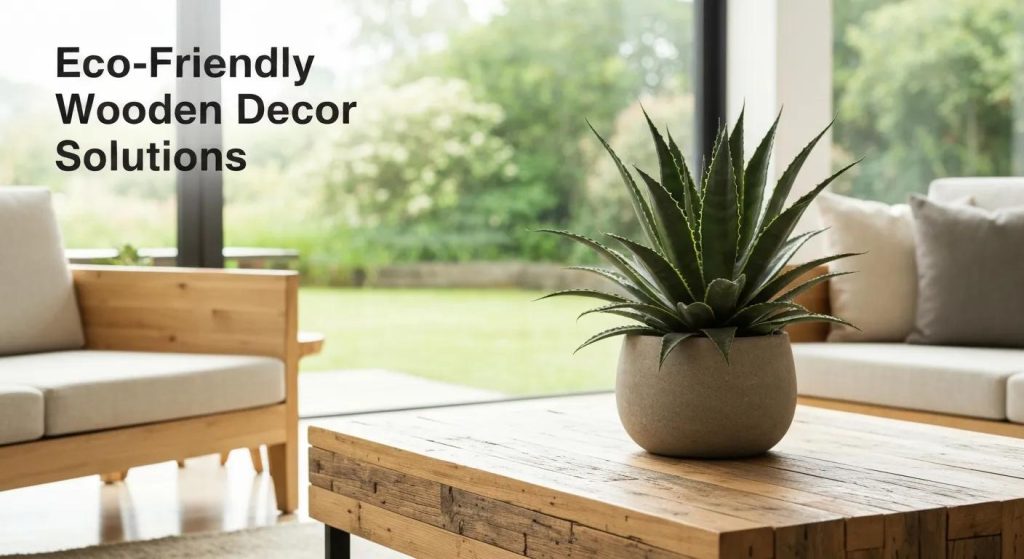
Eco-friendly wooden decor that lasts
Choosing sustainable home decor means cutting environmental impact without compromising on style or function. At the heart of that approach is refurbished wooden furniture — solid timber given a second life instead of ending up in landfill. This guide explains how refurbished, upcycled and reclaimed wood lowers embodied carbon, outlasts many mass-produced options and creates interiors with real character that improve with age. You’ll find practical benefits, an overview of the refurbishment process, bespoke commission options, recommended materials and finishes, and where to source sustainable pieces across the UK. We mix design-led advice with clear environmental points so you can choose furniture that supports the circular economy and healthier indoor air. Each section includes checklists and comparison tables to help plan, commission and style refurbished items. By the end, you’ll have a clear route to bring refurbished wood into your home and know how local workshops can help.
What are the benefits of refurbished wooden furniture for sustainable homes?
Refurbished wooden furniture lowers environmental impact by extending product life, keeping usable timber out of waste streams and avoiding the embodied carbon of new manufacture. Many restored pieces are made from solid wood and traditional joinery, which makes them longer-lasting and easier to repair than disposable board furniture. Below we set out the primary benefits to help you plan sustainable decorating and compare reclaimed and upcycled options.
Refurbished wooden furniture delivers five key advantages:
- Environmental savings: Repair and reuse cut landfill waste and reduce embodied carbon versus new production.
- Durability and repairability: Solid timber and traditional joints make restored pieces easy to maintain and mend.
- Better value over time: Fewer replacements and stronger resale value lower lifetime cost.
- Unique character: Patina, marks and hand finishes add individuality you won’t find on flat-packed items.
- Supports the circular economy: Upcycling keeps materials moving through the system, reducing demand for new timber.
These ecological and practical benefits inform a straightforward comparison between refurbished and new furniture, clarifying the trade-offs for eco-conscious purchases.
| Furniture Type | Key Attribute | Comparative Value |
|---|---|---|
| Refurbished furniture | Carbon footprint | Lower embodied carbon by reusing existing materials and avoiding new manufacture |
| Refurbished furniture | Materials | Solid reclaimed timber and salvaged components |
| Refurbished furniture | Expected lifespan | Extended through repair and restoration — often decades longer |
| New mass-produced furniture | Carbon footprint | Higher, due to fresh timber sourcing and manufacturing energy |
| New mass-produced furniture | Materials | Often engineered boards or thin veneers |
| New mass-produced furniture | Expected lifespan | Shorter without repairability; frequently replaced within a few years |
In short, refurbished pieces generally outperform mass-produced items on embodied carbon and longevity — which translates into rooms that stay useful and attractive for longer, cutting consumption cycles and supporting resilient interiors.
How does refurbished furniture reduce environmental impact?
Refurbishment reduces environmental harm by keeping usable timber in circulation and by avoiding the energy, processing and transport emissions of new production. Repairing structure and reusing boards preserves the embodied carbon already locked in the piece instead of releasing it through disposal and replacement. Lifecycle studies show that reusing reclaimed wood can save significant CO2 equivalents compared with producing the same quantity of new timber products. Knowing how these savings work makes it easier to choose circular solutions at household scale.
Embodied carbon reduction through material reuse: a case study
This study quantifies the embodied carbon avoided by reusing materials from the “Arena do Futuro” (built for the 2016 Olympic Games in Rio de Janeiro) in four new public schools. Models were updated in Revit and environmental analysis used the TRACI method within One Click LCA. The case compares reuse outcomes with a baseline where all materials were newly produced, illustrating overall emission reductions.
Embodied Carbon Reduction Through Material Reuse: A Case Study, 2025
When homeowners choose reuse and refurbishment they send a market signal that favours repairable design and low-tox finishing systems. That demand supports higher-quality reclaimed pieces and bespoke work that makes the most of existing materials.
Why is vintage wood furniture often more durable and better made?
Vintage pieces are frequently more durable because they were built from denser timbers and joined with robust techniques — mortise-and-tenon, dovetails and similar joints that can be repaired rather than discarded. Older woods have often been naturally seasoned, which reduces movement and improves stability compared with quickly processed modern boards. This traditional craftsmanship means structural repairs and sensible refinishing can restore both form and function, extending usable life by decades.
When evaluating a piece, inspect joinery, check repair potential and favour solid timber over engineered panels to ensure long-term value. Understanding these quality differences helps you invest in furniture that serves daily life and the environment.
How can bespoke reclaimed furniture improve an eco-friendly interior?
Bespoke reclaimed furniture lets you create pieces that fit your space, reduce the need for new production and add provenance through the material’s history. Custom commissions make the most of available timber, deliver precise fit and function, and let you select finishes and hardware that support indoor air quality. Below we outline typical custom options, realistic timelines and the aesthetic benefits to help you decide whether bespoke reclaimed furniture suits your project.
Clients commonly choose from custom options that balance cost, lead time and sustainability:
- Size and fit: Tailoring dimensions to your room reduces the need for extra filler furniture.
- Finish choices: Hand-painted, spray finishes or natural oil options — with lower-VOC choices available.
- Functional alterations: Added storage, reorganised internals or integrated cable management for everyday use.
These choices produce a home-ready piece that avoids off-the-shelf compromises and extends the useful life of reclaimed materials.
The table below breaks down common bespoke options by type, attribute and value to help prioritise choices when commissioning reclaimed work.
| Customization Type | Attribute | Value |
|---|---|---|
| Size (dimensions) | Lead time | Medium — ensures a perfect fit and reduces future purchases |
| Finish (hand-painted/spray/natural oil) | Material source | Allows selection of non-toxic finishes and reclaimed timber |
| Joinery/hardware | Cost range | Adds character and makes future repairs easier |
This overview helps weigh lead time and cost against the long-term value of bespoke reclaimed pieces — which often lower lifetime replacement needs while adding personality.
For practical examples and tailored advice, visit Sustainable Refurbished Furniture by HDS. Our Harrogate warehouse and shop display refurbished dining tables, sideboards, dressers and chairs, and we offer bespoke commissions with hand-painted or spray finishes. Seeing pieces in person or arranging an appointment helps with material selection and ensures your commission fits both function and style.
What customisation options are available for upcycled furnishings?
Upcycled pieces can be altered for size, finish, hardware and internal layout so they meet your aesthetic and practical needs while keeping waste low. Options range from hand-painted colourways for a statement piece to natural oil finishes for lower VOCs and simpler upkeep. Lead time and cost depend on the piece and labour involved; discussing priorities — fit, finish or timeline — helps craftspeople recommend the best route.
Pick finishes that balance indoor air quality and wear resistance, and choose repair-friendly joinery so the piece remains serviceable for decades. These practical choices reduce the chance of premature replacement and make bespoke reclaimed items a smart long-term investment.
How do bespoke reclaimed wood pieces add character to a home?
Bespoke reclaimed pieces introduce patina, unique grain and historical marks that tell a story you can’t reproduce with new mass-produced furniture. These features create focal points and work well with contemporary materials — metal, glass and soft textiles — to build a layered, modern interior. Designers often recommend pairing reclaimed wood with lighter fabrics and simple metals to keep rooms balanced while showcasing texture and warmth.
Choosing a single bespoke piece as an anchor reduces the need for matching sets and supports an eclectic, resilient aesthetic that adapts with use. That character-first approach makes sustainability visible and meaningful in daily life.
What sustainable interior ideas use eco-friendly furnishings?
Sustainable interiors start by prioritising durable, repairable furniture and layering complementary low-impact materials like reclaimed wood, natural textiles and low-VOC finishes. Plan room by room to identify where refurbished pieces add most value — typically dining areas and storage — then complete the scheme with sustainable accents. Below are practical styling and layout suggestions for integrating eco-friendly furniture into contemporary homes.
Practical ideas for sustainable interiors include:
- Choose a reclaimed focal piece: A refurbished dining table or sideboard makes a long-lasting centrepiece.
- Layer natural textiles: Wool, linen or organic cotton soften and complement wood tones.
- Limit new purchases: Prioritise repair, upcycling or repurposing before buying new items.
Material choice depends on location and use: reclaimed wood suits tables and storage, bamboo works for lightweight furniture, and cork or recycled metal are good for flooring and accents. Below is a concise maintenance tip to guide everyday care.
- Maintenance tip: Regular oiling or gentle cleaning extends finishes; choosing repairable joinery lowers long-term upkeep.
Which materials work best for eco-friendly decor?
Reclaimed wood, bamboo, cork and recycled metals are common sustainable materials, each with clear strengths: reclaimed wood for solidity and patina, bamboo for fast renewability, cork for acoustic and thermal benefits, and recycled metal for structural uses. Finish choice matters for indoor air quality — natural oils and water-based lacquers are preferable to high-VOC solvent finishes. Maintenance differs: oils need periodic reapplication while water-based lacquers require gentle cleaning, which should influence material choice by room.
Balancing performance and indoor air quality helps you pick materials that suit family life and longevity. Thinking through these trade-offs means furniture works well now and for years to come.
How do you integrate refurbished furniture into green living spaces?
Start by assessing what you already own and prioritise replacing high-wear, high-visibility items with reclaimed focal pieces, then complement them with textiles and paints that enhance warmth. Follow a simple checklist: choose the main piece, measure the space, select finish and hardware, and plan delivery and installation. Consider scale, texture balance and let the reclaimed item guide the palette so accessories fall into place.
Creating a mood board clarifies choices and avoids unnecessary purchases. Working with local refurbishment services helps you choose finishes and delivery options that reduce packaging and transport. This practical approach increases the chance restored furniture remains in use long-term.
Where can you find sustainable refurbished furniture and bespoke services in the UK?
Look for workshops that combine restoration skills, transparent finishing methods and practical delivery to reach customers nationwide. Local shops and warehouses that allow in-person inspection are particularly useful for checking joinery, patina and finish quality before buying. The steps below explain how to arrange viewings, understand delivery and choose a reliable provider.
We promote products and the location of our warehouse and furniture shop to help buyers discover the benefits of refurbished wooden furniture. Our Harrogate shop and warehouse let you see refurbished dining tables, sideboards, dressers and chairs, discuss bespoke commissions and review finish options such as hand-painted or spray finishes. Customers across the UK can also use our nationwide delivery for carefully packed pieces, extending access to sustainable furniture beyond our local area.
Practical next steps include booking a viewing, discussing bespoke requirements in person and confirming delivery lead times. These actions let buyers inspect construction and finish quality and ensure the finished piece meets functional needs.
What makes the Harrogate furniture shop a hub for eco-friendly living?
Our Harrogate workshop and showroom give direct access to craft skills — you can inspect reclaimed timber, examine joinery and experience hand-painted or spray finishes in person. Seeing pieces on site helps assess smell, sheen and repair quality — things photography can’t always convey — and supports informed choices about indoor air quality and tactile performance. Visits also create opportunities to discuss material provenance and timeline expectations, which builds confidence in sustainable purchases.
Visiting a local shop encourages responsible buying and offers education about refurbishment and care, helping furniture last longer and reducing consumption. These local interactions make sustainable choices tangible and support community-based circular practices.
How does nationwide delivery support access to sustainable furniture?
Nationwide delivery lets households across the UK access restored and bespoke reclaimed pieces without buying new locally made furniture, widening the reach of circular approaches beyond cities. Responsible delivery practices include careful packing, scheduling to avoid repeat journeys, and coordinating placement in the home to reduce returns from transit damage. For large items, an on-site inspection before dispatch and clearly stated lead times cut the risk of unnecessary additional transport.
By combining local craft with reliable logistics, suppliers can scale sustainable options while keeping restored pieces intact — an important part of cutting system-level waste and emissions.
What is the sustainable process behind refurbished furniture at HDS?
Our refurbishment process starts with careful sourcing, continues through structural repair and sympathetic surface preparation, and finishes with non-toxic coatings and quality checks to guarantee longevity and indoor-air safety. We prioritise reusing original components, replace elements only when necessary using sustainably sourced materials, and choose finishes that balance durability with low VOCs. The table below maps typical steps to tangible sustainability benefits so you know what to expect from a trusted workshop.
| Item (Example) | Refurbishment Step | Sustainable Benefit |
|---|---|---|
| Vintage dining table | Structural repair and re-gluing joints | Diverts waste and restores decades of use |
| Reclaimed sideboard | Sanding and surface preparation | Preserves original timber and reduces demand for new wood |
| Solid wardrobe | Application of a non-toxic oil finish | Improves indoor air quality and simplifies maintenance |
We describe our process and ethos so clients understand expected stages for bespoke commissions and finish options. Clear explanations build trust and help you make informed choices about materials and coatings.
How does upcycling furniture support the circular economy?
Upcycling extends product life, recovers embodied carbon and turns potential waste into desirable, usable objects. Each restored item delays the need for new production and reduces the flow of raw materials through the furniture system. Bespoke reworking can add function without creating fresh demand for resources. Where possible, measuring avoided emissions and landfill diversion for projects makes the circular benefits tangible and supports evidence-based purchasing.
Embodied carbon reduction strategies for buildings: material reuse and selection
After a comprehensive literature review, this work identifies key strategies to reduce embodied carbon in buildings: choosing low-carbon materials early in design, reusing and recycling carbon-intensive materials, minimising material use, optimising building design, sourcing locally to cut transport, efficient construction methods, supportive policy and adaptive reuse. These measures, together with carbon labelling, form a framework for lowering embodied emissions.
Embodied carbon reduction strategies for buildings, U Kulatunga, 2018
Knowing the wider impact of reuse encourages homeowners to repair rather than replace where possible, creating demand for repair skills and low-tox finishing methods and aligning purchases with broader environmental goals.
What non-toxic finishes and materials are commonly used in refurbishment?
Low-VOC finish options commonly used in refurbishment include natural oils, waxes and modern water-based lacquers that balance wear resistance with indoor-air safety. Natural oils penetrate timber to enhance durability and appearance and are easy to maintain; water-based lacquers provide harder-wearing surfaces with lower fugitive VOCs than solvent-based alternatives. Choosing certified products where available and respecting recommended cure times reduces the risk of off-gassing and supports a healthier home.
For upkeep, simple cleaning and occasional oil or wax reapplication preserve the finish and reduce the need for full refinishing, further lowering lifetime environmental impact. These choices help keep refurbished pieces attractive and safe for years.
What are common questions about sustainable decor and refurbished furniture?
People often ask what sustainable home decor looks like in practice and whether refurbished furniture can match new items on quality, price and performance. Clear answers can demystify trade-offs and provide a practical framework that prioritises repair, reuse and low-impact materials. Below are concise Q&A entries that address frequent concerns and give actionable guidance for anyone starting an eco-friendly furnishing project.
What is sustainable home decor and why does it matter?
Sustainable home decor focuses on materials and processes that reduce environmental harm, improve indoor air quality and extend product life through repairable design and reuse. It matters because household consumption drives resource use and waste; choosing durable, repairable items reduces that impact over time. Sustainable decor can also improve energy efficiency and wellbeing, delivering both environmental and personal benefits.
Seeing furnishings as long-term investments rather than short-lived trends helps homeowners prioritise choices — such as buying refurbished wooden furniture or selecting non-toxic finishes — that offer measurable environmental and health advantages.
Is refurbished furniture as good quality as new?
When restored by skilled craftsmen, refurbished furniture can match or surpass new alternatives. Older solid timbers and traditional joinery are often superior to mass-produced construction. Key checks include structural joinery, finish quality and the standard of repairs — these indicators predict whether a restored piece will last. Requesting details about replacement materials and finishes also helps assess quality objectively.
An inspection checklist — review joints, check surface flatness and confirm finish cure — supports confident purchases and ensures restored furniture delivers enduring performance comparable to or better than many new products.
How can I make my home more eco-friendly with furniture choices?
Start with this priority checklist: repair existing furniture first, refurbish or upcycle where possible, choose reclaimed or refurbished pieces before buying new, and when you do buy new, select durable, repairable designs and non-toxic finishes. Quick wins include choosing natural textiles, reducing single-use decorative items and opting for low-VOC paints and finishes. Planning purchases around long-term function and maintenance reduces replacement cycles and overall environmental impact.
Following this stepwise approach increases the chance furniture remains useful and valued, aligning everyday living with broader sustainability goals and supporting circular-economy outcomes.
Frequently asked questions
What is the difference between refurbished and upcycled furniture?
Refurbished furniture is restored to its original condition — repairs, structural work and sympathetic finishes bring a piece back to everyday use. Upcycled furniture reimagines an item, changing its form or function to create something new. Both reduce waste, but refurbishment focuses on repair and conservation while upcycling emphasises creative repurposing.
How can I ensure the quality of refurbished furniture?
Inspect craftsmanship carefully: look for solid joinery, even surfaces and a well-applied finish. Ask what materials were used for any replacements and about the restoration steps taken. A reputable seller will be transparent about methods and products, and may offer warranties or guarantees that give additional peace of mind.
What are the best maintenance practices for refurbished wooden furniture?
Maintain refurbished wood with regular gentle cleaning and periodic conditioning. Use a soft, damp cloth and avoid harsh chemicals. Apply natural oils or waxes every few months to keep timber nourished, and protect pieces from direct sunlight and extreme humidity to prevent warping. These simple routines extend life and keep finishes looking their best.
Can refurbished furniture be customised to fit my space?
Yes — many suppliers offer customisation so pieces fit your space and style. Custom work can include altered dimensions, selected finishes and different hardware. Discussing your needs with the craftsman often yields practical, personalised solutions that integrate seamlessly into your home.
What are the environmental benefits of choosing refurbished furniture?
Choosing refurbished furniture reduces waste, keeps embodied carbon in use, and lowers demand for new resources — all of which cut manufacturing emissions. Refurbished pieces can also use non-toxic finishes, improving indoor air quality. Overall, this choice supports a circular economy and more sustainable home environments.
How does the cost of refurbished furniture compare to new furniture?
Initial prices vary, but refurbished furniture often proves more cost-effective over time. Repaired and restored pieces last longer than many mass-produced alternatives, reducing replacement frequency and offering better resale value. The combination of durability and unique character makes refurbished furniture a smart financial choice for many households.
Where can I find reliable sources for refurbished furniture?
Look for local workshops, specialist shops and reputable online marketplaces that prioritise transparency in their refurbishment processes. Visiting a shop lets you inspect quality in person, while online platforms widen your options. Check reviews and ask for details about methods and materials to verify credibility.
Conclusion
Bringing eco-friendly wooden decor into your home improves its look while cutting environmental impact. Choosing refurbished and upcycled furniture gives you distinctive, durable pieces that support the circular economy and healthier indoor air. If you’re ready to explore sustainable furnishings, our curated selection and bespoke services make it straightforward to transform your home into an eco-conscious space.