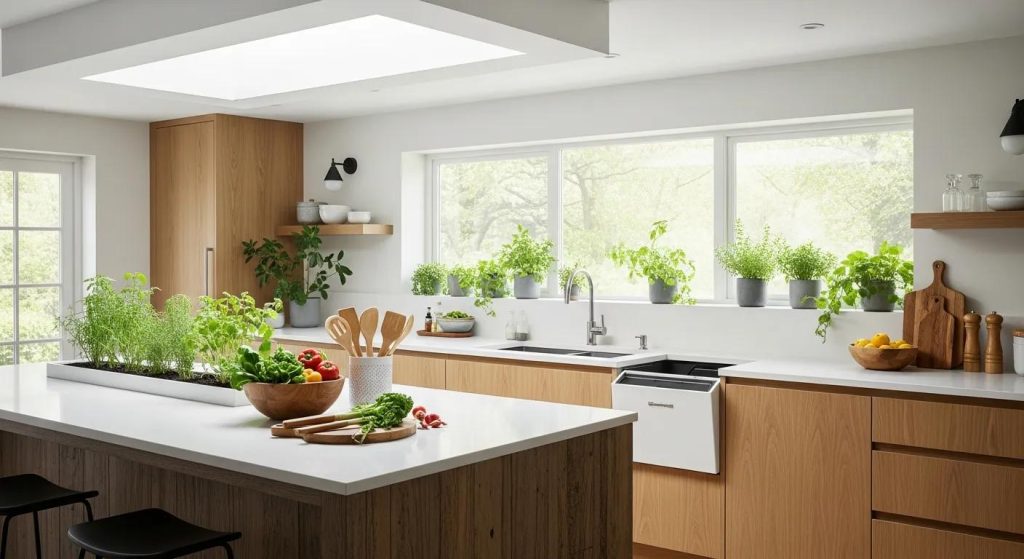
Transform Your Kitchen Sustainably
Refreshing your kitchen with bespoke, sustainable design improves function, indoor health, and individuality. This guide covers practical cabinet ideas, eco-friendly materials, and the custom design steps to plan a kitchen that looks great and performs well for years. If your current layout or finishes no longer work, made-to-measure solutions and smart sustainable choices can resolve storage and workflow issues while lowering environmental impact.
Top Cabinet Ideas for Bespoke Kitchens
A bespoke kitchen lets you tailor every cabinet to your needs — from storage layout to finishes. Here are standout cabinet approaches that elevate both form and function.
- Open Shelving : Keeps everyday items within reach and turns favorite dishes or plants into part of the decor.
- Two-Tone Cabinets : Mixing finishes or colors adds depth and helps define zones like islands or tall-unit banks.
- Integrated Appliances : Built-in panels and casings create a seamless look and a cleaner visual flow across the room.
Choosing Bespoke Kitchen Units That Reflect Your Style
When selecting custom units, balance daily use with the room’s feel. Prioritize practical layouts — drawers for pots, spice pull-outs, and appliance garages — and choose materials and finishes that suit your aesthetic. Responsibly sourced wood or recycled panels add durability while reducing environmental cost.
Best Eco-Friendly Materials for Cabinetry
Picking sustainable materials for cabinets reduces impact without sacrificing appearance. Consider these commonly recommended options:
- Bamboo : Fast-growing, strong, and modern in appearance.
- Reclaimed Wood : Recycled timber brings warmth, history, and less demand for new lumber.
- Low-VOC Finishes : Finishes formulated to emit fewer chemicals, improving indoor air quality.
Studies show low‑VOC coatings can improve durability and indoor air quality for cabinets and furniture.
Low-VOC Coatings for Sustainable Kitchen Cabinets
Researchers compared three hybrid coating systems against a solvent-based low‑VOC system to see if the hybrids met industry standards for kitchen cabinets and furniture. They first tested adhesion to substrates and noted measurable differences between systems. They then assessed resistance to heat and moisture with hot-box and hot-and-cold check tests; overall, the experimental systems showed reasonable thermal resistance, while finishes prepared with solvent-borne sealers and lacquers were less stable in appearance. Chemical resistance tests examined how each finish stood up to common kitchen substances, detergents, and water. All systems performed well in vertical application tests. Finally, volatile organic compound emissions were measured after conditioning times of 3
Reducing VOC emissions in the furniture and cabinets industries: V Landry, 2010
How Sustainable Materials Improve Kitchen Design
Choosing sustainable materials enhances a kitchen’s look and longevity. Many sustainable options are durable, need less maintenance, and support healthier indoor environments.
Long-lived materials reduce replacements and repairs, saving money over time. Selecting low-emission finishes and responsibly sourced timber helps create a safer, cleaner home.
| Material Type | Aesthetic Appeal | Long-Term Benefits |
|---|---|---|
| Bamboo | Modern and sleek | Highly durable |
| Reclaimed Wood | Rustic charm | Unique character |
| Low-VOC Finishes | Clean and fresh | Improved air quality |
Benefits of Refurbished Kitchen Furniture
Refurbished pieces are often cheaper, cut landfill waste, and add unique character new items can’t replicate. They’re a practical way to keep quality materials in use while lowering environmental impact.
- Cost-Effectiveness : Refurbished items often cost less than new equivalents, helping you stick to budget without sacrificing quality.
- Environmental Impact : Reusing furniture cuts demand for new production and reduces waste.
- Unique Character : Each reclaimed piece brings texture and a story that personalizes your kitchen.
Sustainable Flooring Options That Look Great
Your floor should be durable and kind to the planet. Consider materials that balance comfort, resilience, and sustainability.
- Cork Flooring : Soft underfoot, naturally resistant to moisture and mold, and warm to the touch.
- Bamboo Flooring : A renewable alternative with a clean, contemporary look.
- Recycled Tile : Crafted from post-consumer materials for a distinct aesthetic with reduced environmental cost.
Cork’s natural properties — breathability, insulation, and resistance to decay — make it a strong sustainable flooring choice.
Cork: A Renewable, Eco-Friendly Kitchen Material
Cork comes from the bark of the cork oak and is lightweight, elastic, and largely impermeable to liquids and gases. It also provides thermal and electrical insulation, dampens sound and vibration, and is highly resistant to rot. As a renewable material used in long‑life products, cork supports carbon sequestration and has beneficial ecological properties.
Cork, L Gil, 2014
The Bespoke Kitchen Design Process
A straightforward custom design process keeps the project on track and ensures the finished kitchen fits your needs. Typical stages take you from idea to installation.
- Initial Consultation : Share your vision, priorities, and daily routines with a designer so they can tailor proposals to your life.
- Design Development : Work together on layouts, materials, and finishes until the plan feels right for function and style.
- Finalization and Installation : Approve the design, then oversee production and installation to complete the transformation.
How Personalized Consultations Shape Layouts
Personalized consultations help designers map workflow, storage needs, and social habits into a practical layout. When designers understand how you cook, they can recommend storage, appliance placement, and sightlines that make the room easier and more enjoyable to use.
Steps to Commission Custom Kitchen Units
Ordering bespoke units follows a clear sequence to protect quality and expectations:
- Initial Consultation : Discuss function, style, and budget with a specialist.
- Design Approval : Check drawings and samples, then sign off before production begins.
- Installation : Craftspeople install the finished units and fine‑tune details so everything fits and works as planned.
How Interior Services Support Sustainable Renovations
Interior designers, project managers, and skilled tradespeople translate sustainable goals into practical decisions — from selecting low‑impact materials to coordinating energy‑efficient fixtures and managing waste during installation.
For design-led options and product ideas, Furniture by HDS offers inspiration and solutions.
Interior Design Services That Complement Bespoke Kitchen Furniture
A few complementary services help make your custom kitchen sing:
- Space Planning : Arrange zones for cooking, prep, and storage to maximize flow.
- Color Consultation : Choose palettes and finishes that work with light and materials.
- Lighting Design : Layer task and ambient lighting using energy‑efficient fixtures for a comfortable, usable kitchen.
Integrating Eco-Friendly Finishes and Flooring
Bring eco-friendly finishes and floors into the plan early. Specify low‑VOC paints, durable renewable floors, and long‑lasting seals so the finished space performs well and stays healthy over time.
To discuss options or book a consultation, visit our contact page for tailored support.
Ready to explore products and materials? You can also browse our shop for curated selections.
Frequently Asked Questions
What are the key benefits of a bespoke kitchen design?
A bespoke kitchen is designed around how you live: it improves workflow, creates storage that suits your habits, and reflects your personal style. Custom solutions often use higher‑quality materials and can include sustainable choices, which boosts durability and can increase property value.
How can I ensure my kitchen renovation is environmentally friendly?
Start with sustainable materials (bamboo, reclaimed timber, low‑VOC finishes) and energy‑efficient appliances. Maximize natural light and ventilation, reuse salvageable items where possible, and work with professionals experienced in green practices to minimize waste and emissions.
What are some innovative storage solutions for small kitchens?
Use vertical space with tall units and open shelving, add pull‑out pantries and corner pull‑outs, and choose multi-purpose islands with built‑in storage. Magnetic strips and wall rails free up counters while keeping tools handy.
How do I choose the right color scheme for my kitchen?
Consider how you use the room and the available natural light. Light colors open small spaces; darker hues add warmth. Choose a base color and layer complementary shades for cabinets, walls, and accents. Test samples in the space to see how colors change through the day.
What are the advantages of using reclaimed materials in kitchen design?
Reclaimed materials reduce demand for new resources, lower environmental impact, and bring unique textures and patina. They can be cost‑effective and often have proven durability, giving your space both character and longevity.
How can I incorporate smart technology into my kitchen design?
Integrate smart appliances for convenience — fridges that track inventory, Wi‑Fi ovens, or smart lighting that adapts to routines. Add voice controls or app connectivity for hands‑free operation, and plan wiring and outlets early so technology is seamless.
Conclusion
Designing a bespoke, sustainable kitchen is an opportunity to combine beauty, practicality, and long‑term value. By choosing considered materials, efficient layouts, and expert guidance, you can create a space that reflects your style and supports a healthier home. If you’re ready to start, explore our services and products or get in touch for personalized advice.