

How Sustainable Furniture Design Transforms Interiors
Transform Your Space — Sustainably
Good furniture design starts with materials, lifecycle thinking and the right finishes — not trend cycles. Refurbishment is central: well-made solid wood pieces can be given many more years of use with careful repair and finishing. This guide walks you through the core principles of sustainable furniture design, a practical comparison of common materials, the restoration process, bespoke sustainable options for kitchens and fitted furniture, room-by-room styling ideas using upcycled pieces, and why low‑VOC finishes matter for indoor air quality. Many homeowners weigh mass‑produced new items against thoughtfully restored pieces; here we explain how refurbished wooden furniture cuts environmental impact while adding character and durability. We map the main mechanisms — material choice, circularity, craft and health — and offer clear steps for commissioning bespoke work or sourcing restored furniture in the UK. Examples from Furniture By HDS appear throughout to illustrate practical local and national solutions without changing the underlying design advice. Read on to see how sustainable design and refurbishment can transform interiors in looks, function and environmental terms.
What are the key principles of sustainable furniture design that transform interiors?
Sustainable furniture design rests on four overlapping priorities: careful material selection, waste reduction and circularity, robust construction for longevity, and finishes that protect indoor air quality. These priorities interact — materials carry embodied carbon and determine traceability, circular systems cut raw resource use, skilled construction extends life, and low‑VOC finishes limit indoor pollution. Designers put these principles into practice by choosing reclaimed or certified timbers, specifying modular or repairable systems, and favouring joinery that can be serviced rather than discarded. Understanding the trade‑offs between materials makes it easier for homeowners and designers to pick the right components for a sustainable interior — the materials comparison below helps with those choices.
How does material selection affect eco‑friendly furniture design?
Material choice shapes a piece’s sustainability through sourcing, embodied carbon, durability and end‑of‑life options. Reclaimed or certified materials reduce environmental impact and improve provenance; bamboo offers rapid renewability; recycled metals reuse industrial waste; and bio‑based composites can cut fossil carbon in some applications. Each material brings different performance, maintenance needs and aesthetic qualities. The table below summarises common materials against key sustainability attributes and typical interior uses so you can weigh trade‑offs for furniture selection and placement.
| Material | Sustainability Property | Practical Effect / Use Case |
|---|---|---|
| Reclaimed wood | Low embodied carbon; high material reuse | Introduces patina and character to dining tables and shelving; reduces demand for new timber |
| FSC-certified wood | Traceable and responsibly harvested | Dependable choice for structural joinery in cabinets and bespoke kitchens |
| Bamboo | Fast-growing and renewable | Well suited to lightweight furniture, veneers and contemporary finishes |
| Recycled metal | Uses industrial waste; very durable | Ideal for legs, frames and mixed‑material contemporary pieces |
| Bio-based composites | Lower fossil carbon intensity | Good for panels and components where moisture resistance is required |
This comparison makes clear how different materials support specific interior roles; choosing materials with known provenance sets the stage for designing with reuse and circularity in mind.
Why are waste reduction and the circular economy essential for sustainable interiors?
Thinking of furniture as long‑lived assets rather than disposable items is at the heart of a circular approach. Reuse, repair, remanufacture and resale close resource loops, reduce landfill and cut lifecycle emissions. Practical circular strategies include specifying disassemblable joinery, favouring finishes that can be repaired, and working with suppliers who support parts replacement and take‑back schemes. These measures lengthen service life and help sustain local refurbishment economies and traditional skills. Encouraging refurbished and upcycled pieces as first options changes how homes are furnished — and reduces the need for new manufacture.
How does refurbished wooden furniture enhance sustainable interior design?
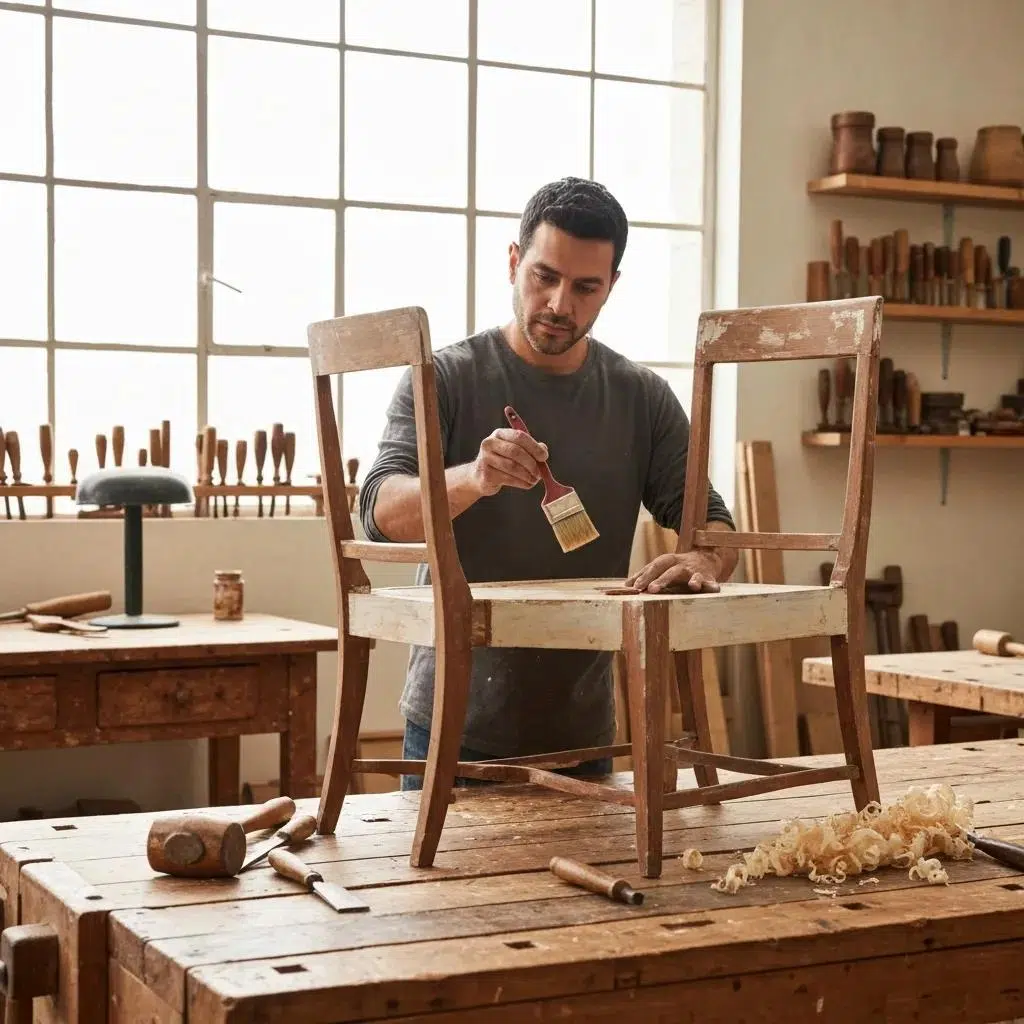
Refurbished wooden furniture lowers embodied carbon by reusing existing material, offers character that mass‑market items rarely match, and — when restored properly — often equals or outlasts many new alternatives while remaining cost‑effective for homeowners. Restoration work such as structural repairs, joinery renewal and careful refinishing extends a piece’s life and improves its performance. Homeowners gain distinctive items with patina and craftsmanship; designers can use these pieces as anchors in layered, sustainable interiors. Below are the main benefits of choosing refurbished wooden furniture and what they mean in everyday homes.
Refurbished wooden furniture delivers practical benefits for homeowners and interiors:
- Environmental advantage: Reuse lowers embodied carbon and eases pressure on forests.
- Distinctive character: Patina and bespoke finishes create unique focal points.
- Value for money: Restored pieces often cost less than new, high‑quality solid wood.
- Durability and repairability: Traditional joinery and solid timber can be repaired time and again.
- Support for local craft: Refurbishment helps sustain skills and local circular supply chains.
Those benefits make refurbished furniture a strong choice for sustainable interiors and lead naturally into how the restoration process achieves these outcomes.
What are the benefits of choosing refurbished wooden furniture for your home?
Choosing refurbished wooden furniture reduces environmental impact, preserves craft skills and gives you pieces with genuine character that suit both modern and traditional interiors. Environmentally, reuse avoids emissions from new manufacturing and transport; financially, a restored solid timber piece often proves a better long‑term investment than a cheap replacement that will soon fail. For example, swapping a mass‑market dining set for a repaired reclaimed table cuts embodied carbon and creates a durable family heirloom, while saving on repeated replacements. These combined environmental, economic and aesthetic gains explain why many designers and homeowners prioritise refurbished options.
That homeowner perspective brings us to the mechanics of restoration, where every step supports sustainability and longevity.
How does the furniture restoration process support sustainability?
Restoration begins with a careful assessment and reuse plan, followed by structural repairs, joinery reinforcement and surface conservation or refinishing using low‑VOC products to protect the piece for decades. Assessment diverts salvageable items from waste; repair retains original material; selective replacement uses reclaimed components when needed. Finishing choices matter for indoor air quality, so low‑VOC coatings and correct curing protocols keep restored items safe for occupied homes. Skilled workmanship and quality checks at every stage ensure restored furniture will outlast disposable alternatives — and make bespoke commissions an obvious next step when a precise fit is required.
To illustrate typical differences between refurbished and new purchases, compare their environmental, cost and longevity profiles in the table below.
| Purchase Type | Environmental / Cost / Longevity Attribute | Typical Outcome |
|---|---|---|
| Refurbished | Lower embodied carbon; often lower upfront cost; high longevity | Lower lifecycle emissions and extended service life through repair |
| New mass-produced | Higher embodied carbon; lower initial price; limited repairability | Shorter useful life and more frequent replacement |
| Bespoke new | Controlled material choices; higher upfront cost; long longevity | Durable and well‑fitted, though resource impact depends on material sourcing |
This comparison shows why refurbishment often gives better sustainability per pound spent, and it naturally leads to commissioning bespoke sustainable pieces when you need an exact fit.
How can bespoke sustainable furniture customise and transform your interiors?
Bespoke sustainable furniture pairs precise dimensions, carefully chosen materials and construction that reduces waste while delivering a lasting fit. Choosing bespoke lets you specify reclaimed or FSC‑certified timber, integrate repairable joinery and avoid the waste associated with standard sizes and offcuts. The commissioning process usually involves an assessment, design options, material selection and production with quality checks to ensure longevity, so you don’t have to replace ill‑fitting units later. Below are three clear advantages of bespoke sustainable furniture and how they translate into better interiors.
Bespoke sustainable furniture provides practical advantages:
- Perfect fit: Custom dimensions remove wasted space and avoid later adjustments.
- Material control: You choose reclaimed or certified woods and low‑VOC finishes.
- Longevity and repairability: Purpose‑built joinery and solid construction last for decades.
These benefits make bespoke work especially useful for kitchens and storage; the next section explains specific kitchen advantages and notes a local service that offers free design input for new kitchens.
What are the advantages of bespoke kitchen design using sustainable materials?
Bespoke kitchens built with sustainable materials offer efficient layouts, less waste from exact sizing, and materials that endure — all of which lower lifecycle environmental impact. Custom cabinetry can combine reclaimed panels, certified carcasses and repairable drawer systems for warmth and long‑term maintainability. For readers planning a full kitchen overhaul, Sustainable Refurbished Furniture By HDS runs a new kitchens range and provides free design consultations as part of its service, helping you explore material and layout options that prioritise sustainability without compromising style. Commissioning in this way aligns design intent with circular practices and prepares kitchens for long use rather than frequent replacement.
This kitchen focus leads naturally to how bespoke commissions reflect personal style while keeping sustainability front of mind.
How do custom commissions reflect personal style while staying sustainable?
Custom commissions let you express a personal aesthetic — matching reclaimed wood tones, hand‑painted finishes or mixed materials — while making deliberate sustainability choices such as FSC timber or recycled metal hardware. The design collaboration balances appearance, material sourcing, durability and maintenance, so you can prioritise the features that matter most. For example, a hand‑painted reclaimed wardrobe can be finished with low‑VOC paints and fitted with repairable hinges, producing a bespoke piece that is both beautiful and long‑lasting. These considered trade‑offs ensure each commission contributes meaningfully to a circular interior strategy.
With bespoke commissions in place, you can spread sustainable choices throughout the home — the next section suggests practical interior ideas for doing just that.
What sustainable interior design ideas use upcycled and refurbished furniture?
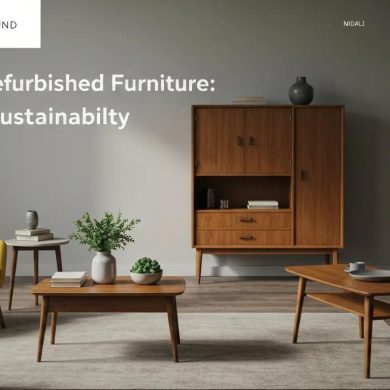
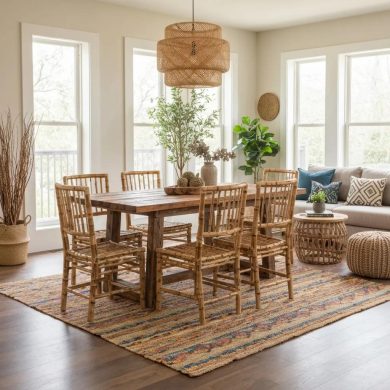
Bringing upcycled and refurbished furniture into a home is about layout, material contrast and styling that celebrates craft while meeting everyday needs. Try using a restored dining table as an anchor, pairing a painted reclaimed chest with modern seating, or converting a solid timber wardrobe into a bedroom focal point — these moves layer old and new for a balanced look. Below are room‑by‑room suggestions and current upcycling trends to inspire you and show how refurbished pieces can lift contemporary interiors without compromising sustainability.
Three room‑specific ideas for living rooms and bedrooms using refurbished pieces:
- Anchor the living room with a restored reclaimed coffee table and combine it with new modular seating for comfort and longevity.
- Create a bedroom focal point with a hand‑painted reclaimed wardrobe that adds character and practical storage.
- Place refurbished sideboards or bookcases in hallways to add storage and visual continuity while avoiding new purchases.
These strategies demonstrate how mixing refurbished and new items improves resource efficiency and visual depth, and they lead into popular upcycling techniques for modern interiors.
How can refurbished furniture create sustainable living room and bedroom spaces?
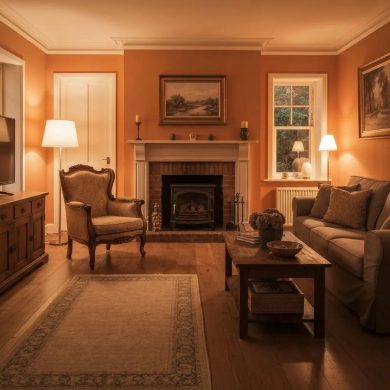
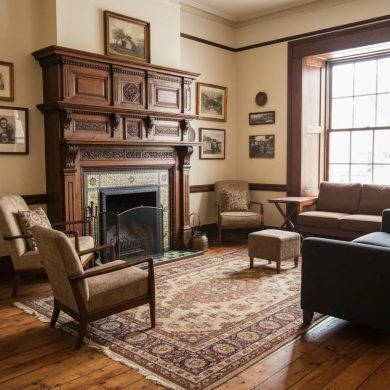
Refurbished pieces can define zones, provide hard‑wearing storage and introduce tactile warmth in living rooms and bedrooms. Pay attention to scale, finish and colour so restored items sit comfortably alongside newer pieces. A repaired dining table can double as a desk, a painted chest can serve as a bedside table, and a restored solid timber bedframe offers long‑term structural strength compared with lighter alternatives. Styling tips: limit high‑contrast palettes, repeat wood tones in accessories and position restored focal pieces where wear is likely to be least damaging. Thoughtful placement makes sustainable furniture both practical and visually coherent day to day.
What are current upcycled furniture trends for modern interiors?
Popular upcycling trends combine visible craft with modern lines: hand‑painted statement pieces, mixed wood‑and‑metal pairings, modular conversions of old cabinetry, and reclaimed timber tables fitted with contemporary legs. These approaches extend material life and give interiors distinct personality while supporting circularity. Simple refresh methods such as painting or spraying can transform furniture without full replacement. Homeowners can follow these trends while prioritising low‑VOC finishes and working with restorers who can adapt pieces for modern use. Embracing these trends keeps sustainable interiors feeling current and considered.
Those trends lead directly to finish choices — especially low‑VOC systems — which are covered next.
Why choose low‑VOC finishes for healthier, sustainable interiors?
Low‑VOC finishes matter because they limit off‑gassing of volatile organic compounds, improving indoor air quality while protecting the look and durability of refurbished furniture. VOCs can cause headaches, irritation and contribute to longer‑term indoor pollution, so choosing certified low‑VOC coatings and allowing proper curing are essential steps. The following subsections explain how these finishes work and what homeowners can do, and a comparison table clarifies common finish types, certification levels and their practical impact on indoor air quality.
How do low‑VOC finishes improve indoor air quality in refurbished furniture?
Low‑VOC finishes reduce the quantity of solvent‑based ingredients released into indoor air because they use water‑based or plant‑derived binders that off‑gas far less. Lower off‑gassing means reduced short‑term exposure and a smaller contribution to long‑term indoor pollutant loads — important in well‑insulated modern homes. Homeowner best practice is to let newly finished pieces cure in a ventilated space, avoid immediate heavy use, and ask restorers for product data sheets to confirm composition and curing times. Choosing low‑VOC systems aligns health considerations with sustainability and helps interiors perform better over time.
That health focus naturally points to certification standards that help verify product claims.
What certifications and standards support eco‑friendly furniture finishes?
The table below summarises common finish types and the certification attributes to check when assessing eco‑friendly coatings and their likely health impacts.
| Finish Type | VOC Level / Certification | Health / Indoor Air Quality Impact |
|---|---|---|
| Water-based lacquer | Low VOC; seek recognised test standards | Minimal off‑gassing after curing; suitable for occupied interiors |
| Plant-based oils | Generally low VOC; certification varies | Natural option with low emissions when properly refined |
| GREENGUARD-tested coatings | Independent certification indicating low chemical emissions | Reliable sign of reduced indoor pollutant contribution |
| Hardwax oils (low‑VOC) | Low to moderate VOCs; check product data | Durable finish with moderate initial emissions that fall as curing completes |
| Traditional solvent lacquers | High VOC unless reformulated | Higher off‑gassing; less suitable for occupied spaces during curing |
These comparisons give practical criteria for choosing safer finishes; always ask restorers for evidence of independent testing and established curing protocols to reduce exposure risks. With finish choices settled, you can then look for local services that implement these standards in their workshop practice.
How does Sustainable Refurbished Furniture By HDS transform UK interiors locally and nationally?
Sustainable Refurbished Furniture By HDS combines traditional refurbishment, bespoke commissions and kitchen design to help UK households create sustainable interiors with restored or custom furniture. HDS specialises in refinishing pre‑owned wooden furniture by hand‑painting and spray techniques, offers bespoke refurbished furniture and kitchen remodelling (including a new kitchens range with free design), and runs a warehouse and furniture shop in Hampsthwaite, Harrogate (HG3 2HL). Customers can benefit from local inspection and national delivery, allowing HDS to support nearby visits and UK‑wide projects. Below are the practical value points and straightforward steps for working with HDS.
What sets HDS apart in practice:
- Experienced craftsmanship: hand‑painting and expert spray finishes for a high‑quality look and durable surface.
- A circular approach: refurbishment and bespoke work that favour reclaimed and repairable materials.
- Local presence, national reach: a workshop and shop in Hampsthwaite, Harrogate (HG3 2HL) plus UK delivery options.
These features show how a local workshop can scale thoughtful refurbishment to national projects, and they lead into clear actions customers can take to begin a commission.
What makes HDS’s sustainable furniture solutions distinctive in Harrogate and beyond?
HDS blends traditional restoration techniques with bespoke design, prioritising material reuse, surface quality and practical longevity. Hand‑painting and spray finishes produce consistent, long‑lasting surfaces tailored to client preferences. A workshop and shop in Hampsthwaite let local clients view restored pieces and discuss commissions in person, while UK delivery enables broader project support. One client outcome: a restored dining table from HDS regained structural stability and a new finish, becoming the focal point of a sustainable dining scheme that avoided sourcing new timber. These attributes make HDS a practical partner for homeowners aiming for meaningful interior change.
How can customers access bespoke sustainable furniture and UK delivery services?
To work with HDS customers typically view the gallery or portfolio, request a design conversation or quote, and either visit the Hampsthwaite warehouse/shop or arrange an online consultation — completed pieces can be delivered across the UK. Practical next steps are simple: describe the project, share dimensions and material preferences, agree scope and timelines for bespoke kitchen or furniture work, and confirm delivery arrangements; HDS handles enquiries via their general sales contact for quotes and appointments. Those interested in bespoke kitchen design can ask about the new kitchens range and the free design service to explore sustainable materials and layouts. These accessible steps turn sustainable intentions into tangible, long‑lasting commissions.
- View portfolio: Browse restored pieces and past commissions to find styles and materials that appeal.
- Request quote/consultation: Send dimensions, photos and design goals to start a bespoke conversation.
- Arrange visit or delivery: Visit the Hampsthwaite shop/warehouse for a hands‑on look or arrange UK delivery for finished items.
These steps give homeowners a clear path to commission sustainable furniture and close this guide by linking practical action with lasting interior benefits.
VOC Emissions from Furniture Surface Finishes
Evaluating the emission of VOCs and HCHO from furniture based on the surface finish methods and retention periods, M Sherzad, 2022
Frequently Asked Questions
What is the difference between refurbished and bespoke furniture?
Refurbished furniture is about giving a pre‑owned piece new life — repairing structure, renewing joinery and updating finishes to extend use and improve appearance. Bespoke furniture is built to order to specific dimensions and design details, allowing you to choose materials and construction from the start. Refurbished items offer unique character and strong sustainability credentials; bespoke pieces deliver a perfect fit and controlled material choices. Both support sustainable interiors but meet different needs.
How can I ensure the sustainability of my furniture purchases?
Check for recognised certifications such as FSC for wood, prioritise reclaimed or recycled materials, and choose low‑VOC finishes. Look into manufacturers’ waste‑reduction and circular practices, and consider local artisans or workshops that repair and refurbish — they often keep material use and transport impacts low. Asking for provenance, product data sheets and evidence of independent testing helps you make informed, sustainable choices.
What are the maintenance requirements for refurbished furniture?
Maintenance is straightforward: regular gentle cleaning, prompt attention to any loose joints, and occasional re‑finishing depending on the surface system used. Avoid harsh chemicals that can damage finishes. For oiled surfaces, periodic reapplication of low‑VOC oils or waxes may be needed to protect the wood. Timely small repairs keep pieces in service for much longer.
Can refurbished furniture fit into modern interior design styles?
Yes — refurbished furniture works well in contemporary interiors when paired thoughtfully with new elements. Designers often use restored pieces as focal points and balance them with simple modern furnishings. For example, a restored dining table can anchor a minimalist dining scheme, while a hand‑painted wardrobe adds texture to a sleek bedroom. The key is considered mixing of scale, tone and material.
What are the environmental benefits of choosing sustainable furniture?
Choosing sustainable furniture reduces waste, conserves resources and lowers the carbon tied up in manufacturing and transport. Using reclaimed materials and low‑VOC finishes cuts emissions and indoor pollutant risks. Durable, repairable furniture lengthens useful life and reduces landfill. Supporting local workshops and sustainable brands also strengthens circular supply chains and craftspeople in your area.
How can I incorporate upcycled furniture into my home decor?
Start with pieces that speak to your style — a vintage chair, a repurposed table or a painted chest. Use them as statement pieces or practical furniture, and combine them with modern items to create contrast and balance. DIY customisation or working with a restorer can personalise a piece further. Mixing textures and colours thoughtfully will help upcycled furniture become a cohesive focal point in your scheme.
Conclusion
Choosing sustainable furniture — whether refurbished, upcycled or bespoke — improves your home’s look while cutting environmental impact. Refurbished pieces bring unique character, support local craft and extend the life of solid timber; bespoke work ensures a perfect fit and long service life. The guidance here should help you make informed decisions that balance style, performance and sustainability. To explore options for your home, browse our offerings and see how refurbished and bespoke furniture can transform your space for the better.
Add comment