
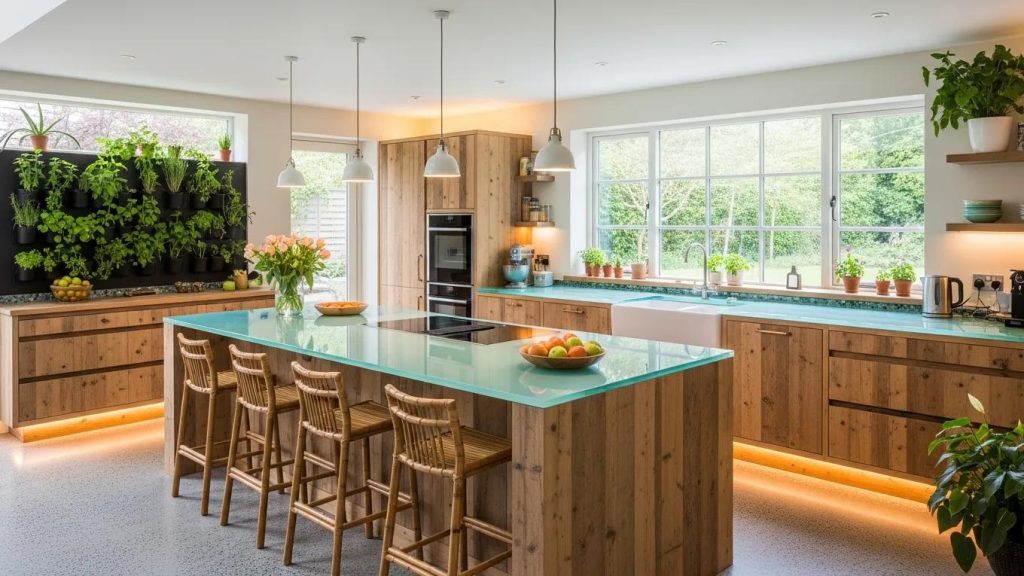
Custom Bespoke Kitchen Design Services: Sustainable Solutions and Planning for UK Homeowners
By Harry Smith, Sustainable Refurbished Furniture By HDS
Custom bespoke kitchen design services offer a unique approach to creating personalized spaces that reflect individual tastes and lifestyles. These designs prioritize functionality, aesthetics, and sustainability, making them an ideal choice for homeowners looking to enhance their living environments. In this article, we will explore the benefits of bespoke kitchen design, the importance of sustainable materials, and how to effectively plan custom kitchen storage solutions. Additionally, we will discuss flooring and interior services that complement bespoke designs, ensuring a cohesive and environmentally friendly kitchen space.
What Defines Custom Bespoke Kitchen Design and Its Benefits?
Custom bespoke kitchen design refers to the tailored creation of kitchen spaces that meet the specific needs and preferences of homeowners. This approach allows for a high degree of personalization, ensuring that every element, from cabinetry to countertops, is designed to fit the homeowner’s lifestyle. The benefits of bespoke kitchen design include enhanced functionality, improved aesthetics, and the ability to incorporate sustainable materials that contribute to eco-friendly living.
How Does Bespoke Kitchen Design Enhance Home Functionality?
Bespoke kitchen design enhances home functionality by maximizing space and creating tailored solutions that cater to individual needs. For instance, custom cabinetry can be designed to fit awkward spaces, while innovative layouts can improve workflow and accessibility. This level of customization ensures that every inch of the kitchen is utilized effectively, making cooking and entertaining more enjoyable.
Why Choose Sustainable Materials in Bespoke Kitchens?
Choosing sustainable materials in bespoke kitchens is essential for reducing environmental impact and promoting eco-friendly living. Sustainable materials, such as reclaimed wood and recycled metals, not only minimize waste but also offer durability and aesthetic appeal. By selecting these materials, homeowners can create beautiful kitchens that align with their values and contribute to a healthier planet.
Further emphasizing the importance of material selection, one resource highlights the comprehensive approach to creating a green kitchen.
Eco-Friendly Kitchen Design: Materials, Flooring & Cabinets
The core of this book focuses on the material aspects of creating a green kitchen. It offers advice on choosing flooring, cabinets, counters, and appliances; after all, if you’re designing a green kitchen, you’ll want to make sure that the materials you choose are as green as possible.
Good green kitchens: The ultimate resource for creating a beautiful, healthy, eco-friendly kitchen, 2006
Which Eco Friendly Kitchen Furniture Options Are Available?
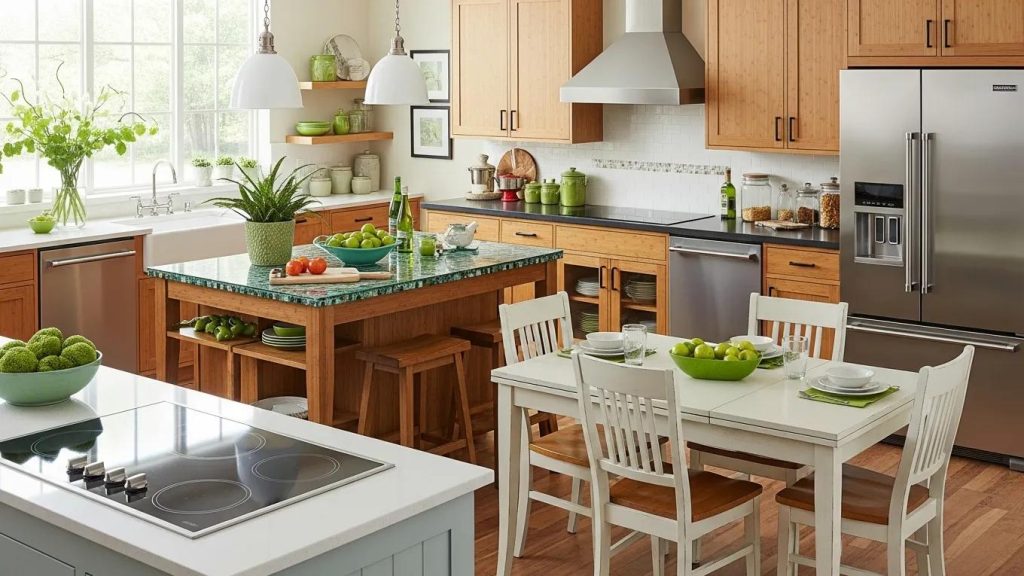
When it comes to eco-friendly kitchen furniture, there are several options available that combine style and sustainability. Homeowners can choose from handcrafted cabinetry made from sustainable woods, refurbished furniture that reduces waste, and eco-friendly kitchen appliances designed to minimize energy consumption. These options not only enhance the kitchen’s aesthetic but also support a more sustainable lifestyle.
| Furniture Type | Material | Sustainability Benefit |
|---|---|---|
| Handcrafted Cabinetry | Sustainable wood | Reduces deforestation |
| Refurbished Furniture | Reclaimed materials | Minimizes waste |
| Eco-friendly Appliances | Energy-efficient models | Lowers energy consumption |
What Sustainable Kitchen Materials Are Commonly Used?
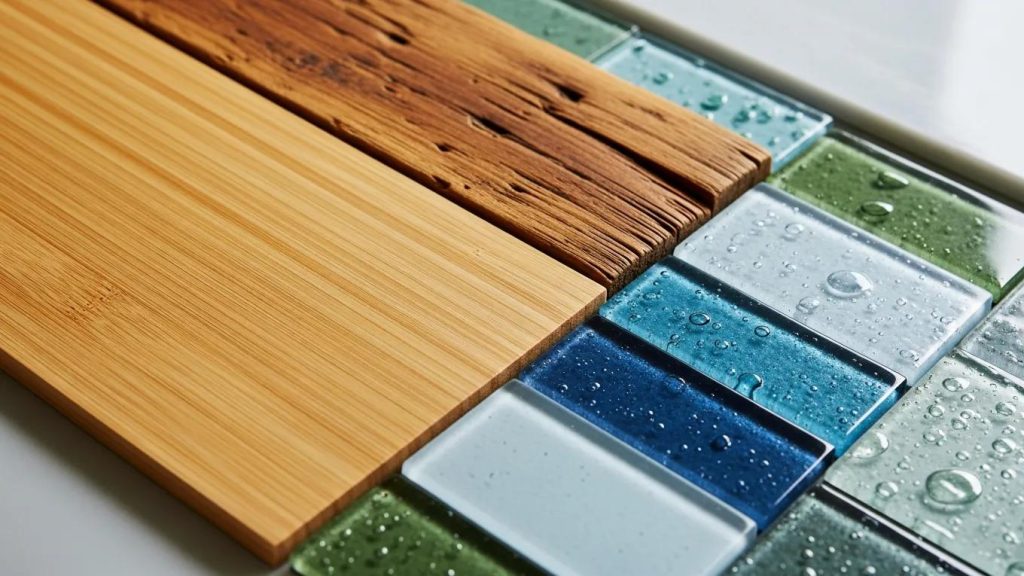
Common sustainable kitchen materials include bamboo, reclaimed wood, and recycled glass. Bamboo is a rapidly renewable resource that offers durability and a unique aesthetic. Reclaimed wood provides character and history, while recycled glass can be used for countertops and backsplashes, adding a modern touch to the kitchen. Each of these materials contributes to a more sustainable kitchen design.
The application of sustainably harvested wood in custom kitchen elements further exemplifies how eco-friendly materials can be integrated into bespoke designs.
Custom Kitchen Design with Sustainably Harvested Wood
The custom-built table and chairs were designed and built by The Joinery, a Portland, Oregon, company that uses sustainably harvested FSC wood (see Figure C.3). One area of the kitchen was designed to be a breakfast nook, with a built-in bench and a custom-built table.
Kitchen & Bath Sustainable Design: Conservation,
Materials, Practices, 2015
How Do Refurbished Kitchen Cabinets Contribute to Eco Responsibility?
Refurbished kitchen cabinets play a significant role in eco-responsibility by reducing waste and conserving resources. By repurposing existing cabinets, homeowners can avoid the environmental impact associated with manufacturing new products. Additionally, refurbished cabinets often come at a lower cost, making them an economical choice for those looking to create a sustainable kitchen.
How to Plan Custom Kitchen Storage Solutions for Bespoke Designs?
Planning custom kitchen storage solutions is crucial for maximizing space and ensuring that the kitchen remains organized and functional. Effective storage solutions can include pull-out shelves, built-in organizers, and multi-functional furniture that serves multiple purposes. By carefully considering storage needs, homeowners can create a kitchen that is both beautiful and practical.
Early research into kitchen design standards underscores the foundational principles of functional storage and custom cabinetry.
Functional Kitchen Storage & Custom Cabinet Planning
This study was undertaken to determine the amount of space needed for the storage of various articles in kitchens using factory-made equipment. In this study, “kitchen” refers to an area containing the appliances, storage and work surfaces necessary for the preparation and serving of food. The study was conducted at the University of Illinois, with the cooperation of the Small Homes Council, and was based on previous work done at Cornell University, on functional kitchen storage in custommade cabinets.
Kitchen planning standards, 1949
What Are Effective Layout Tips for Custom Kitchen Storage?
Effective layout tips for custom kitchen storage include utilizing vertical space with tall cabinets, incorporating corner cabinets with lazy Susans, and designing island storage that can accommodate pots and pans. These strategies help to keep the kitchen clutter-free and enhance overall usability, making cooking and entertaining more enjoyable.
How Does Storage Planning Integrate with Sustainable Kitchen Design?
Storage planning integrates with sustainable kitchen design by promoting the use of eco-friendly materials and efficient layouts. For example, using sustainable materials for cabinetry and shelving not only supports environmental goals but also enhances the kitchen’s overall aesthetic. Additionally, thoughtful storage solutions can reduce the need for excess furniture, further minimizing the kitchen’s environmental footprint.
What Are the Key Considerations When Choosing Flooring and Interior Services?
When selecting flooring and interior services for bespoke kitchens, several key considerations should be taken into account. These include the durability of materials, aesthetic compatibility with the kitchen design, and the environmental impact of the chosen products. By prioritizing these factors, homeowners can create a cohesive and sustainable kitchen environment.
Which Flooring Options Complement Bespoke Kitchen Designs?
Flooring options that complement bespoke kitchen designs include hardwood, bamboo, and cork. Hardwood offers timeless beauty and durability, while bamboo is a sustainable alternative that provides a modern look. Cork is another eco-friendly option that is comfortable underfoot and provides excellent insulation, making it a practical choice for kitchens.
How Do Interior Services Enhance Sustainable Kitchen Projects?
Interior services enhance sustainable kitchen projects by providing expertise in selecting eco-friendly materials and designing efficient layouts. Professionals can help homeowners navigate the complexities of sustainable design, ensuring that every aspect of the kitchen aligns with their environmental goals. This collaboration can lead to a more cohesive and functional kitchen space that reflects the homeowner’s values.