Refurbished & Sustainable Furniture in Harrogate — Where to Buy, Restore and Commission Eco‑Friendly Vintage Pieces
Refurbished and sustainable furniture uses reclaimed timber, careful restoration and considered finishing to give wooden pieces a second life while cutting environmental impact. This guide shows Harrogate homeowners where to find refurbished furniture, why vintage and upcycled pieces add distinct style, and how restoration and bespoke commissions actually work. You’ll learn how to inspect second‑hand items, what hand‑painting and spray finishes achieve, and how to commission makers for a custom piece. We map local discovery, measurable sustainability benefits, restoration steps, commissioning processes, delivery and collection options, and the common questions buyers ask — so you can choose vintage furniture with confidence.
Where Can You Find Refurbished and Vintage Furniture Shops in Harrogate?
Refurbished and vintage furniture in Harrogate is usually sold from mixed retail and warehouse spaces that display restored dining tables, wardrobes and sideboards alongside smaller upcycled pieces. These sellers focus on reclaimed timber, hand‑painted finishes and spray‑finished panels, so browsing local stock is the best way to feel joinery, test hardware and assess finish quality. When you’re hunting for refurbished furniture, prioritise solid joints, the condition of hinges and handles, and the type of finish — these determine how long a piece will last and what maintenance it will need. Knowing where to look makes your visits quicker and more productive.
In shops and warehouses you’ll typically see categories arranged to show before‑and‑after restoration: dining tables, wardrobes, sideboards and smaller items. Seeing pieces in person helps you compare reclaimed oak with pine and decide whether a hand‑paint or spray finish suits your home. These hands‑on observations matter because condition and finish affect both appearance and ongoing care. Next, a few practical steps to prepare before you go and what to bring with you.
Before you visit, bring accurate room measurements, photos of your space and a tape measure so you can check scale and clearances — these details help avoid costly mistakes. If you plan to transport a purchase, measure your vehicle and consider loading angles ahead of time. Booking an appointment is often sensible at busy warehouses so staff can show pieces and explain provenance. These simple logistics make viewings and meetings with makers far smoother.
What Types of Refurbished Wooden Furniture Are Available in Harrogate Shops?
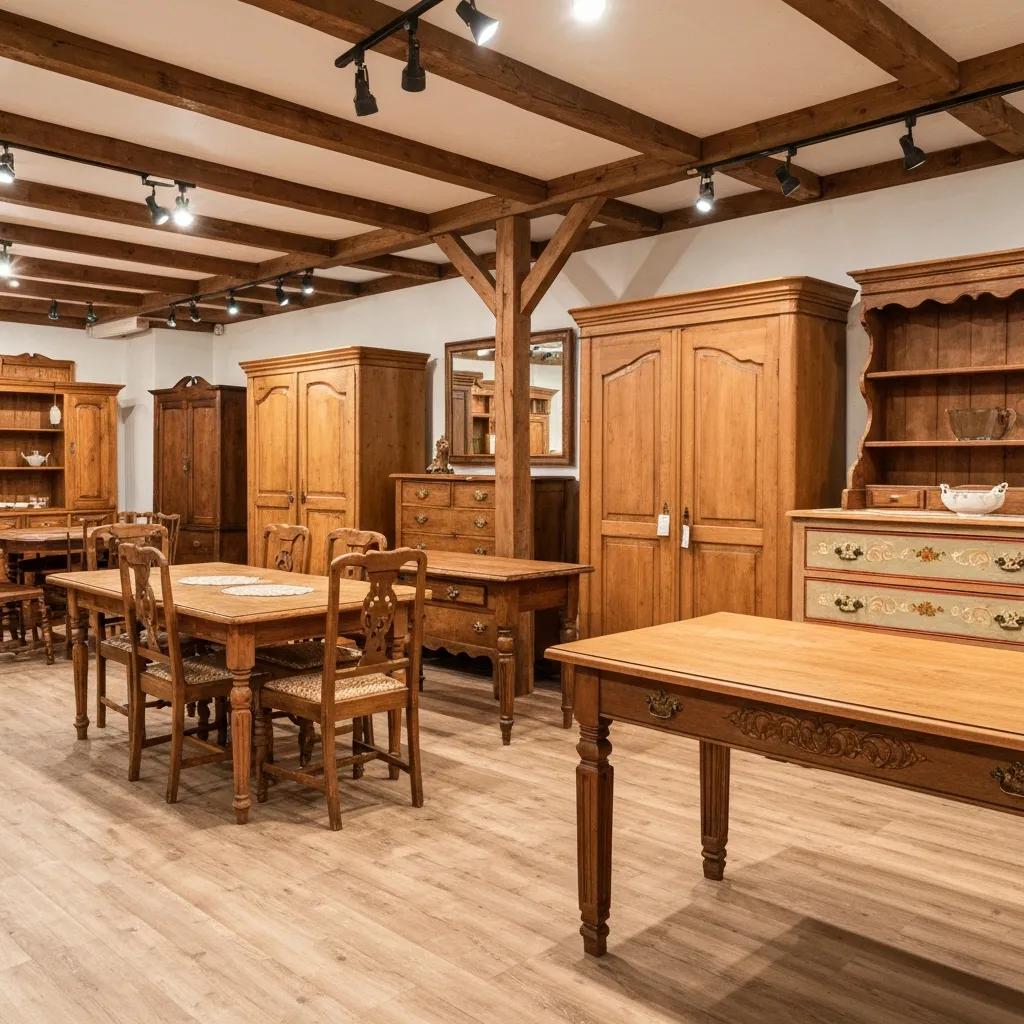
Harrogate shops commonly stock refurbished dining tables, wardrobes, hand‑painted dressers and upcycled sideboards that combine vintage character with modern function. Pieces are typically restored using methods such as French polishing, spray finishing or hand‑painting so they sit comfortably in contemporary interiors. Reclaimed oak and pine are frequent materials; finishes range from matt hand‑paint to tough spray topcoats, and hardware is either restored or sympathetically replaced. Knowing these categories helps you focus on the structural repairs and finishes most important for your needs.
When deciding between types, think about use: daily dining furniture needs strong joins and durable finishes, while occasional sideboards can lean into patina and character. Consider material provenance too — reclaimed wood brings environmental benefits and a different visual grain than recently milled timber. These choices explain how individual businesses position their offers within Harrogate’s market.
How Does Sustainable Refurbished Furniture By HDS Stand Out in Harrogate’s Market?
Sustainable Refurbished Furniture By HDS specialises in handcrafted restoration and bespoke commissions that celebrate reclaimed timber, hand‑painted surfaces and spray‑finished panels to create robust, eco‑aware pieces for Harrogate homes. We combine restoration, remodelling and bespoke furniture work from our shop/warehouse at Unit 1B, Hollins Lane, Hampsthwaite, Harrogate HG3 2HL, and we accept commissions that adapt reclaimed materials to modern requirements. Our difference is practical: skilled handwork, clear advice on finish choice, and delivery options that cover both local and national customers — with kitchens arriving soon to the service list.
We put craftsmanship first, explaining finish choices and timber sourcing during consultations so you can choose methods that suit longevity and style. Visit the warehouse to see hand‑painted dressers and spray‑finished panels and to discuss how a bespoke commission might be sized, finished and specified to fit your home. This approach naturally leads into the wider environmental reasons for choosing refurbished furniture.
What Are the Benefits of Choosing Eco‑Friendly and Sustainable Furniture in Harrogate?
Choosing eco‑friendly furniture lowers resource demand and extends the life of good timber through repair and restoration — which in turn reduces embodied carbon and the amount sent to landfill. Refurbished furniture preserves material value by reusing reclaimed wood and keeping joinery intact, producing pieces that are often more characterful and sometimes more cost‑effective than new equivalents. These environmental and financial benefits make sustainable furniture an attractive option for homeowners who want low‑impact interiors without compromising on design. Below are the main reasons buyers opt for refurbished pieces.
Refurbished items offer measurable environmental wins — reduced need for new timber and lower manufacturing emissions — plus practical upsides like longer service life and frequently lower upfront cost than comparable new pieces. Social and aesthetic benefits matter too: vintage and upcycled items bring patina and uniqueness that mass‑produced furniture rarely matches. Understanding these combined advantages helps you weigh restoration effort against the value of original materials. Next we look at how refurbishment reduces environmental impact in practical terms.
Refurbished furniture reduces embodied carbon, cuts landfill and reuses high‑quality timber that would otherwise need energy‑intensive processing to replace. A circular approach — reclaim, restore, reuse — keeps materials in use longer and delays the emissions associated with making new items. For Harrogate households, choosing refurbished wooden furniture supports the local circular economy. The table below summarises how refurbished and new furniture compare on key attributes.
| Attribute | Refurbished Furniture | New Furniture |
|---|---|---|
| Embodied carbon | Lower — reuses existing timber | Higher — manufacturing and transport involved |
| Cost (typical) | Often lower upfront; value in longevity | Usually higher for comparable quality |
| Waste outcome | Less landfill; parts repurposed | More waste from production and disposal |
| Aesthetic uniqueness | High — patina and bespoke finishes | Lower — uniform, mass‑produced styles |
| Repairability | Easier to repair and restore | Often harder or uneconomic to fix |
This comparison shows why reclaimed and repaired pieces can outperform new items on sustainability and long‑term value. Next we outline the restoration techniques that make these results possible.
How Does Refurbished Furniture Help the Environment?
Refurbished furniture lowers environmental impact by reducing demand for freshly felled timber, cutting manufacturing emissions and diverting durable materials from landfill through repair and reuse. The principle is simple: keep existing timber in use rather than making new parts — that reduces the embodied carbon tied up in harvesting, milling and factory assembly. Recent research and market trends from 2023–2025 show that circular furniture approaches can substantially reduce lifecycle emissions, especially when restoration is local. Those environmental effects influence homeowner choices when they pick eco‑friendly furniture options.
Sustainable Design Approaches Using Waste Furniture Materials
Sustainability is now central to many contemporary designers and makers, yet not every designer prioritises material choice, manufacturing methods or second‑life possibilities unless asked. This research explores how designers can reuse post‑consumer furniture waste and develops practice‑based guidance that balances craft and commercial realities. The study aims to show practical ways young UK furniture businesses can tackle environmental issues through design and material reuse.
Beyond carbon savings, restoration protects skilled trades and traditional techniques that reduce waste in production and extend product lifespans. That lifecycle thinking encourages buyers to favour repairable joinery and durable finishes, making future maintenance straightforward. With the environmental case covered, let’s look at the design benefits vintage and upcycled furniture bring.
What Makes Vintage and Upcycled Furniture Unique and Stylish?
Vintage and upcycled furniture stand out for their patina, craftsmanship and the stories held in the materials — qualities mass‑produced pieces rarely match. The character comes from original joinery, reclaimed oak grain and bespoke finishes such as hand‑paint layers or carefully applied spray topcoats that give each piece its own personality. Interior stylists often mix vintage items with contemporary pieces to create layered, resilient rooms that feel curated and sustainable. Understanding this style advantage helps you blend refurbished pieces into modern schemes with confidence.
Small updates — new hardware, a subtle repaint or tailored upholstery — can modernise vintage furniture for everyday use while preserving its value. These adjustments strike a balance between authenticity and practicality. Next we explain how restoration workshops put these techniques into practice to ensure both beauty and durability.
How Do Furniture Restoration Services in Harrogate Work?
Restoration services in Harrogate generally follow a clear workflow: assessment, quotation, restoration work, finishing, and delivery or collection. Each stage is designed to reduce waste and return wooden furniture to reliable use. At decision points you’ll approve the scope, materials and finishes — French polishing, hand‑painting or spray finishes — so the chosen method suits the piece’s condition and intended purpose. Knowing this process helps you plan budgets, timelines and expected outcomes before you commit.
Typical restoration covers structural repairs such as re‑gluing joints, replacing or refurbishing hardware, repairing missing wood and applying an appropriate surface finish. Discussing technique options — French polish for fine antiques, spray finish for durable surfaces, or hand‑paint for bespoke colour — produces results that match your priorities. The table below links techniques to use cases, outcomes and typical timeframes to set realistic expectations.
| Technique | Best for | Outcome / Typical Time & Cost Range |
|---|---|---|
| French polishing | Fine antique dressers and veneers | Deep, traditional gloss; 1–2 weeks; moderate to higher cost |
| Spray finish | Daily‑use surfaces like dining tables | Even, hard‑wearing coat; 3–7 days; moderate cost |
| Hand‑painting | Custom colours and decorative pieces | Personal, bespoke finish; 1–2 weeks; moderate cost |
| Re‑upholstery | Seating and padded furniture | Structural and comfort renewal; 1–3 weeks; variable cost |
This table shows which methods suit particular restoration goals and budgets. The next section explains how restoration work extends a piece’s life and value.
What Restoration Techniques Are Used for Wooden Furniture?
Common techniques include structural repairs (re‑gluing and reinforcing joints), surface restoration (French polishing, spray finishes, hand‑painting) and re‑upholstery for seating. Structural work makes sure a piece will function for many more years; French polish highlights wood depth and suits fine veneers; spray finishes give tough protection for daily use; and hand‑painting offers colour and character for upcycled pieces. Choose the technique that matches whether you want to preserve historic patina, make the piece durable for everyday life, or create a bespoke look.
After restoration, gentle cleaning, appropriate polish and avoiding direct heat and sunlight will preserve the finish and reduce the need for heavy repeat work. Those simple maintenance steps help maintain value and appearance over time.
How Can Furniture Restoration Extend the Life of Vintage Pieces?
Restoration prolongs life by repairing structural faults, replacing worn hardware and applying finishes that protect timber from moisture and wear. Re‑gluing loose joints and renewing hinges prevents progressive damage that would otherwise make future repairs more costly or impossible. The right finish — a spray topcoat for a dining table or French polish for a decorative piece — adds protection that delays further intervention. With basic maintenance, restored furniture can give decades more service, lowering demand for new production and supporting circular economy goals.
Routine light maintenance — tightening fittings, touching up small knocks and regular cleaning — keeps items functional and prevents minor issues becoming major jobs. Advising owners on maintenance schedules preserves both investment and aesthetics. Once you understand restoration workflows and lifespan benefits, commissioning bespoke work often becomes the next step.
How Can You Commission Bespoke and Handcrafted Furniture in Harrogate?
Commissioning bespoke furniture usually follows a consultation‑led path: initial brief, design approval, build and finishing, then delivery or collection. Bespoke projects commonly use reclaimed wood and offer finishes such as hand‑paint or spray topcoats, letting you combine sustainability with a tailored look. Costs and lead times depend on complexity, but clear briefs and reference images help makers produce accurate quotes. Knowing the commissioning workflow prepares you to provide measurements, style references and budget parameters that speed the process.
Below is a practical comparison of typical bespoke projects showing lead times and usual price ranges so you can set expectations ahead of your first meeting.
| Project Type | Lead Time | Typical Price Range / Key Steps |
|---|---|---|
| Bespoke dining table | 6–10 weeks | Mid to high range; consultation → timber selection → build → finish |
| Custom wardrobe | 8–12 weeks | Mid to high range; design → sample finishes → build → install |
| Bespoke storage/cabinets | 6–10 weeks | Mid range; measurements → joinery plan → finish → delivery |
This overview helps you prioritise projects and understand lead times. The section below breaks the ordering process into clear steps for first‑time commissioners.
What Is the Process for Ordering Custom Refurbished Furniture?
Ordering custom refurbished furniture starts with a consultation to capture measurements, style references and functional needs, followed by a quotation, design approval and a production schedule. A deposit is usually requested to reserve timber and workshop time; progress photos are often shared during the build for your approval. Lead times vary with complexity, so allow several weeks for construction and finishing, especially for hand‑painted or intricate pieces. Clear communication on delivery, installation and aftercare ensures your commissioned item fits seamlessly into your home.
Accurate room dimensions, photos and any planning constraints speed up the quotation stage and reduce delays. Clear agreements on finishes, hardware and any warranty or aftercare avoid surprises at handover. After this practical guidance, typical bespoke projects give a sense of what local makers can deliver.
What Are Examples of Bespoke Furniture Projects Completed in Harrogate?
Typical bespoke commissions include handcrafted reclaimed oak dining tables, fitted wardrobes for period rooms and tailored storage solutions that make the most of awkward spaces. For example, a reclaimed oak table might receive a spray finish for durability while a period wardrobe could use hand‑painted panels to match existing decor. Case studies often highlight problem‑solving — such as creating storage under sloping ceilings — and show how bespoke work solves problems off‑the‑shelf furniture cannot. These examples help clients picture how bespoke furniture can meet specific spatial challenges.
Documenting the brief, materials, finish and timeline builds trust and sets clear expectations for cost and delivery. These summaries demonstrate the value of commissioning local makers who prioritise reclaimed timber and considered finishes. Once a piece is finished, practical delivery and collection options come into play.
What Sustainable Furniture Delivery Options Are Available in Harrogate?
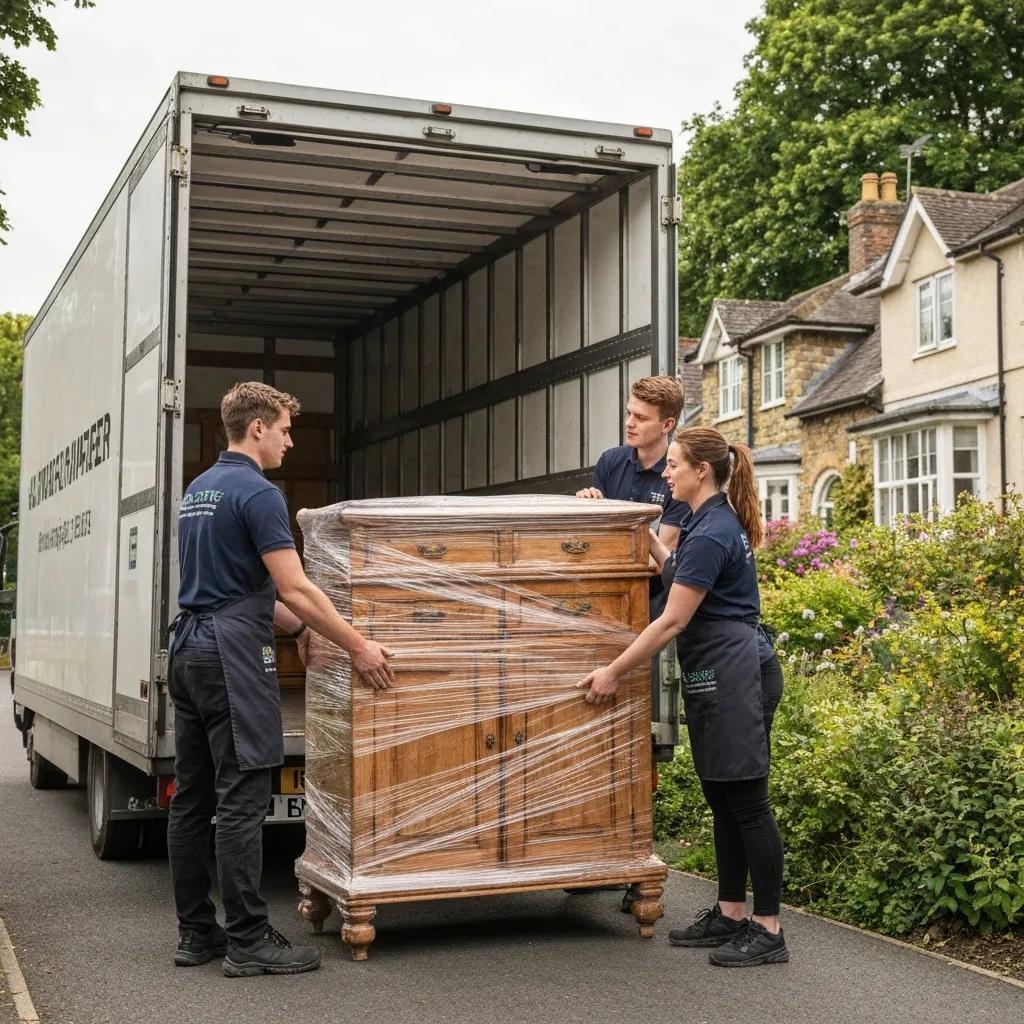
Sustainable delivery options for refurbished furniture include local collection from the shop/warehouse, white‑glove local delivery with careful handling, and nationwide courier services experienced in shipping large items. Each choice balances cost, carbon footprint and how much handling care a piece needs. Local pickup keeps transport emissions low and lets you check the item before taking it home; white‑glove delivery includes in‑home placement and protection for delicate finishes; nationwide delivery uses secure packing and insured transport for customers further afield. Knowing these options helps you choose the right logistics for your purchase.
When arranging transport, ask about packing materials, insurance and expected lead times so you can prepare rooms and installation plans. Sellers will often set appointment windows and give handling notes to avoid damage. The list below summarises the common delivery choices and what to expect from each.
- Local pickup: Collect from the warehouse — the lowest transport emissions and immediate inspection opportunity.
- White‑glove delivery: Professional in‑home placement and careful handling for delicate finishes.
- Nationwide delivery: Secure packing and carrier transport with insurance for distant clients.
Which option suits you depends on item size, fragility and how comfortable you are with handling risk. The next section explains how nationwide delivery typically works for refurbished pieces.
How Does Nationwide Delivery Work for Refurbished Furniture?
Nationwide delivery usually involves sturdy crating or padded wrapping, choosing a carrier experienced with large items, insured transit and a scheduled delivery window so someone can inspect the item on arrival. Restorers specify handling notes — lift‑only to door, placement in a particular room, or full unpack and removal of packaging — so carriers understand expectations and reduce the risk of finish damage. Lead times depend on distance and carrier availability, and customers should confirm insurance and return conditions before shipment. Clear condition checks at handover are essential to protect hand‑finished and spray‑finished surfaces.
Packing is selected to protect reclaimed wood and delicate finishes from moisture, abrasion and impact, often using breathable wraps for hand‑finished surfaces to avoid condensation. Delivery quotes typically reflect the level of packaging, insurance and handling you request. With logistics covered, the next section covers tips for local pickup and shop visits in Harrogate.
What Should You Know About Local Pickup and Shop Visits in Harrogate?
Local pickup and shop visits let you inspect joinery, finish quality and scale in person, which is vital when buying refurbished wooden furniture because tactile checking can reveal issues not visible online. Make an appointment so staff have time to walk you through pieces, and bring room measurements, photos and a tape measure to confirm fit. Check vehicle dimensions and loading methods ahead of collection — measure doorways and tailgate clearance to avoid surprises. Ask about repair history, finish care and provenance so you leave with a piece that meets both practical needs and sustainability goals.
When collecting, confirm whether protective coverings will be provided and whether small final adjustments or touch‑ups are included. This hands‑on approach helps you buy with confidence and reduces the chance of returns or additional work. The FAQ that follows answers common buyer questions about refurbished and vintage furniture in Harrogate.
What Are Common Questions About Refurbished and Vintage Furniture in Harrogate?
Common questions include where to find quality refurbished furniture nearby, whether upcycled pieces are genuinely better for the environment, and how to choose between vintage and antique items — each reflects priorities around provenance, sustainability and usability. Short, practical answers help you move from interest to purchase while understanding the trade‑offs of restored pieces. Below, concise answers are followed by slightly expanded explanations to help you prepare for shop visits or commissions.
Where Can I Buy Refurbished Furniture Near Me in Harrogate?
Refurbished furniture is available from local shops, warehouse showrooms and specialist restorers around Harrogate, many of which offer viewings by appointment. Visiting a warehouse lets you assess reclaimed timber, finishes and joinery in person and ask about bespoke commissions. For viewings and commissions, Sustainable Refurbished Furniture By HDS operates a shop/warehouse at Unit 1B, Hollins Lane, Hampsthwaite, Harrogate HG3 2HL where appointments can be arranged to see current pieces. Seeing items in person gives the clearest sense of scale, texture and finish before you buy.
This local availability makes it straightforward to prioritise sustainability and craftsmanship while choosing pieces that suit your home. The next FAQ covers environmental effectiveness.
Is Upcycled Furniture Good for the Environment?
Yes. Upcycled furniture cuts waste and embodied carbon by reusing existing materials, repairing structural faults and extending timber’s useful life, which reduces overall resource demand compared with new production. A circular approach keeps materials active longer and often lowers lifecycle emissions, especially when restoration is local and transport is minimised. Choosing upcycled or refurbished wooden furniture helps reduce landfill and shrink your carbon footprint. That environmental logic also guides practical choices about joinery and durable finishes when selecting pieces.
These environmental benefits are why many homeowners pick refurbished pieces for ethical and financial reasons. The next FAQ explains how to choose between vintage and antique items.
How Do I Choose Between Vintage and Antique Furniture?
Vintage usually refers to mid‑20th century onward pieces that offer design character and relative affordability; antiques are older, rarer items that may need specialist conservation. Choose vintage when you want a distinctive look at a practical price, and choose antiques when historical authenticity or investment potential matters. Consider condition, intended use and whether restoration will preserve or reduce value — some antiques benefit more from careful conservation than aggressive restoration. If daily function is the priority, restored vintage pieces with durable finishes are often the most practical option. These criteria help match purchases to long‑term needs.
These decision points wrap up our practical guidance for Harrogate homeowners exploring refurbished and sustainable furniture options.
Frequently Asked Questions
What Should I Look for When Buying Refurbished Furniture?
Check joinery quality, the condition of hardware and the type of finish applied. Solid joints, well‑fitted hinges and intact handles all point to longer life. Assess the overall look and how the piece will sit in your room — bring measurements and photos to visualise fit. Ask the seller about the restoration work carried out and any upkeep tips so you know what to expect after purchase.
Are There Specific Care Instructions for Refurbished Furniture?
Yes. Use gentle cleaning, avoid direct sunlight and heat, and choose polishes suited to the finish. A soft, damp cloth is usually best for daily cleaning; address loose joints or hardware promptly to prevent bigger repairs. Following simple care guidance will extend both the life and beauty of refurbished pieces.
How Can I Ensure the Sustainability of My Furniture Choices?
Prioritise reclaimed materials and shops that follow eco‑aware restoration methods. Look for transparency about sourcing and finishes, and favour pieces that are easy to repair. Supporting local makers who reuse materials keeps carbon and waste lower and helps build a circular local economy.
What Are the Cost Differences Between Refurbished and New Furniture?
Refurbished furniture can be more cost‑effective than new when you factor in material quality and craftsmanship. Upfront costs vary, but refurbished pieces often offer longevity and unique character that mass‑produced items don’t. Over time, fewer replacements and easier repairs can make refurbished furniture the more economical choice.
Can I Customize Refurbished Furniture to Fit My Style?
Absolutely. Many refurbishers offer custom finishes, colours and hardware so the piece matches your home. Whether you want a hand‑painted look or a durable spray finish, makers can tailor the piece to your needs while retaining its original character.
What Is the Typical Lead Time for Custom Refurbished Furniture?
Lead time depends on the project and workshop workload, but expect roughly 6–12 weeks from consultation to delivery. This timeframe allows for timber selection, building and careful finishing. Always discuss timelines at the start so you can plan around your schedule.
Conclusion
Choosing refurbished and sustainable furniture in Harrogate boosts your home’s character and supports the environment by reducing waste and conserving resources. By opting for unique, handcrafted pieces you help build a circular economy that values quality and craft over mass production. Explore local options, consider a bespoke commission if you need a tailored solution, and visit our shop to see how a considered choice of furniture can make a positive difference to both your home and the planet.