Complete Guide to Furniture Restoration: Sustainable Repair & Antique Conservation
Restoring furniture is a skilled blend of repair, conservation and refinishing that brings wooden and antique pieces back to life—improving function while preserving character. This guide walks you through how refurbishing works, why antique repairs follow different rules, and how responsibly refurbished furniture creates value for homeowners and designers. You’ll find clear steps, the best refinishing methods for common woods, how conservation differs from routine repair, and realistic timeframes for typical jobs. Practical sections cover bespoke remodeling workflows and the advantages of choosing refurbished timber, with targeted advice on eco-friendly finishes and aftercare. We use a simple logic—technique → suitability → outcome—to help you pick the right route and link choices to results. At the end we also describe how Sustainable Refurbished Furniture By HDS applies these methods at their Hampsthwaite workshop and how to book an assessment or view stock.
What Are the Essential Steps in the Furniture Restoration Process?
Restoration follows a practical sequence: assess, stabilise, repair and finish. A careful inspection identifies structural faults, wood type and whether conservation or replacement is appropriate. That assessment then directs cleaning, any necessary stripping, structural work and surface preparation before finishing. This orderly approach prevents over‑restoration and improves longevity—each action (cleaning, adhesive consolidation, sanding, finishing) has a clear purpose. Good restorers favour reversible techniques where preservation matters and durable repairs where safety or everyday use demands it. The list below is a concise checklist owners and workshop teams use to plan work and manage intake.
The essential process in plain steps:
- Inspection & assessment: Record condition, identify wood type and take photographs.
- Cleaning & surface preparation: Remove dirt, wax and degraded finishes where needed.
- Structural repair: Re‑glue joints, replace missing supports and treat biological damage.
- Stripping or sanding: Remove unsuitable surface layers while conserving original material.
- Veneer and inlay repair: Consolidate or replace missing veneer with period‑appropriate matches.
- Filling, smoothing & final sanding: Match grain and contours to prepare the substrate for finish.
- Finishing: Apply stains, oils, lacquers or French polish chosen for appearance and durability.
- Quality check & handover: Final inspection, client sign‑off and care recommendations.
Use this checklist to prepare pieces for workshop assessment. It helps intake staff document items correctly and guides owners on what to expect during the first visit.
How Do We Prepare and Assess Furniture Before Restoration?
Preparation begins with a structured intake that notes condition, provenance and measurements so the repair plan fits the piece’s history and needs. During intake we photograph visible issues, test structural soundness and identify species and original finishes. That information decides whether parts should be conserved or replaced. For antiques, assessors judge which interventions must remain reversible; for everyday furniture the emphasis is often on function and longevity, which affects material choices. We also run small cleaning and finish tests to check compatibility and reduce risk to original surfaces. From there we move into the core techniques—sanding, re‑gluing and veneering—that make the actual repairs.
What Are the Key Techniques for Sanding, Repairing, and Refinishing Wood?
Effective repairs combine mechanical preparation with careful material choices. Progressive sanding (working from coarse to fine grits) removes defects while protecting the grain; correct filler selection and joinery methods restore structural integrity. Veneer work uses edge consolidation and matched inlay, often with reversible adhesives when historical value is at stake. Structural fixes employ dowels, splines or, only when necessary, epoxy. Finish choice—natural oils, waxes, lacquer or French polish—depends on durability, look and environmental impact; application (hand‑rubbed oil versus spray lacquer) changes both appearance and maintenance needs. A short toolkit and materials list helps homeowners prepare pieces for workshop restoration and sets expectations for bespoke or conservation work.
How Does Antique Furniture Repair Differ from Standard Furniture Restoration?
Antique repair focuses on keeping original material and historical value intact. That means minimal intervention, reversible methods and avoiding full stripping unless absolutely necessary. Specialists look for insect or fungal damage, past repairs and non‑original alterations, then choose period‑appropriate materials and adhesives so any work can be documented—and reversed if needed. Photographic records and detailed notes are central to antique projects, supporting provenance and future conservation. In short, a conservation‑first approach protects authenticity and explains when more invasive restoration is justified for safety or display.
What Common Damages Affect Antique Furniture and How Are They Repaired?
Antiques often show woodworm, loose or failed joints, veneer loss and worn finishes. Each issue needs a tailored response: active woodworm is assessed and treated with targeted consolidation or controlled chemical intervention; joints are repaired with hide glue or other reversible adhesives where appropriate; veneer loss is repaired by matching grain, thickness and using minimal cutting; finish consolidation stabilises the patina before any retouching. When damage is widespread, conservators balance the benefit of replacement against the loss of original fabric, guiding owners toward solutions that respect historical value while restoring function.
How Is Historical Value Preserved During Antique Restoration?
Preserving historical value means intervening as little as possible, documenting every step and preferring reversible materials. Conservators keep signs of age—patina, old repairs and surface evidence—that contribute to authenticity, and avoid aggressive stripping unless the piece is unsafe. Treatments are logged with before‑and‑after photos, materials lists and a clear rationale to support provenance and future care. If replacement is unavoidable, restorers use sympathetic materials and label modern repairs so collectors and curators can distinguish original from new work. Good documentation also helps with insurance, resale and ongoing care.
What Are the Most Effective Wood Furniture Refinishing Techniques?
Different refinishing methods give different looks, durability and environmental footprints. French polish gives a deep, traditional sheen suited to fine veneers; natural oils highlight grain and are easy to repair in‑place; lacquers and modern water‑based varnishes cure quickly and can be very durable, though VOC levels vary. Match the finish to the species and intended use: busy tabletops benefit from robust lacquers, while decorative antiques may need gentler, reversible surface treatments. Understanding these trade‑offs helps you choose a finish that meets both aesthetic and sustainability goals.
Below is a compact comparison of common techniques, their best uses and environmental notes.
| Technique | Best for Wood Types | Time | Environmental Impact |
|---|---|---|---|
| French polish | Mahogany, fine veneers | Medium (multiple layers) | Low VOC if natural shellac used; labour‑intensive |
| Natural oil (e.g., tung, linseed) | Oak, walnut, open‑grain woods | Short (recoatable) | Low VOC; biodegradable |
| Lacquer (solvent or water-based) | Hardwoods, tabletops | Short to medium | Solvent lacquers higher VOC; water‑based lower VOC |
| Hard wax/oil blends | Repaired furniture, matt finish | Medium | Low to moderate VOC depending on formula |
How Do You Identify Wood Types for Optimal Restoration?
Identify species by grain, colour, hardness and historical use—these clues decide sanding, filler choice and finish compatibility. Oak has open grain and suits oil finishes; mahogany has straight, fine grain and works well with French polish; pine is softer, easier to fill and often painted or stained. Simple checks—visual comparison, light sanding in an inconspicuous spot and assessing weight—help you and the restorer pick the right approach. Correct ID avoids irreversible mistakes and guides veneer matching, adhesive selection and finishing plans.
Which Sustainable Finishes and Eco-Friendly Materials Are Used in Wood Restoration?
Sustainable options include plant‑based oils, low‑VOC water‑based lacquers and hard wax oils that balance repairability with lower emissions. Tung and walnut oils penetrate and protect while remaining biodegradable; water‑based lacquers reduce solvent emissions but can differ in sheen and repairability from solvent lacquers. When choosing materials we consider lifecycle impact—longevity and repairability are central because a longer‑lasting finish can lower overall environmental cost. Simple maintenance—periodic re‑oiling or gentle cleaning—preserves both appearance and ecological benefit.
What Are the Benefits of Choosing Refurbished Wooden Furniture?
Refurbished wood offers environmental, financial and aesthetic gains: it reduces waste and demand for fresh timber, usually costs less than a bespoke new build of similar quality, and brings one‑of‑a‑kind character that mass production can’t match. Choosing refurbished pieces supports the circular economy by extending lifecycles and keeping salvageable timber out of landfill. Professionally restored items often outperform cheap new furniture in longevity and repairability. The short list below maps these benefits to practical outcomes so you can compare refurbished options with new purchases.
- Environmental savings: Extends service life, reducing need for new timber and lowering waste.
- Cost efficiency: Restoration often costs less than bespoke new builds of equivalent quality.
- Unique character: Original craftsmanship and patina deliver distinctive style.
- Durability & repairability: Restored pieces are made to be maintained and repaired.
- Local craftsmanship: Buying refurbished supports nearby workshops and local skills.
These advantages suit buyers who value sustainability, long‑term value and individual style. Below, we link each benefit to a concrete outcome to make comparisons easier.
| Benefit | What it Means | Measurable Outcome |
|---|---|---|
| Reduced environmental impact | Less new timber and manufacturing | Fewer items in landfill; lower embodied material use |
| Cost savings | Lower price than bespoke new equivalent | Better value per year of use |
| Unique style | Original details and patina retained | One‑off pieces that enhance interiors |
| Extended lifespan | Professional repair and finishes | Longer usable life; fewer replacements |
If you’d like to see sustainably refurbished stock or discuss a specific piece, Sustainable Refurbished Furniture By HDS has a warehouse and shop in Hampsthwaite, Harrogate (Unit 1B, Hollins Lane, Hampsthwaite, Harrogate HG3 2HL) where customers can view items by appointment. To arrange a visit or request details, email sales@furniturebyhds.com or call +44 7583 489580. Local access makes it easy to inspect restored options in person or by appointment.
How Does Bespoke Furniture Remodeling Enhance the Refurbishing Process?
Bespoke remodeling combines restoration skills with custom design to reuse durable elements while adding new function. By integrating restored components—drawer fronts, carcasses or reclaimed panels—with newly made parts, remodelers create kitchens, wardrobes and joinery that keep character and meet modern needs. The workflow prioritises measurement‑led design, careful material selection and sequencing conservation before new fabrication so everything fits and looks cohesive. This hybrid approach reduces waste and the need for wholly new assemblies, making bespoke remodeling a practical, lower‑impact route to custom interiors.
What Is the Client Consultation Process for Custom Furniture Remodeling?
Consultations start with a discovery call and site measurement, then move to design proposals, material choices and a costed estimate with agreed timelines. Early meetings gather photos, dimensions and requirements; later sessions refine finishes and whether to integrate restored elements or replace them. Once a proposal is approved, scheduling aligns conservation work with any new manufacture and we arrange delivery and installation details. Preparing photos and listing functional issues speeds the process and ensures design choices reflect both look and structure.
How Are Bespoke Kitchens and Wardrobes Refurbished Sustainably?
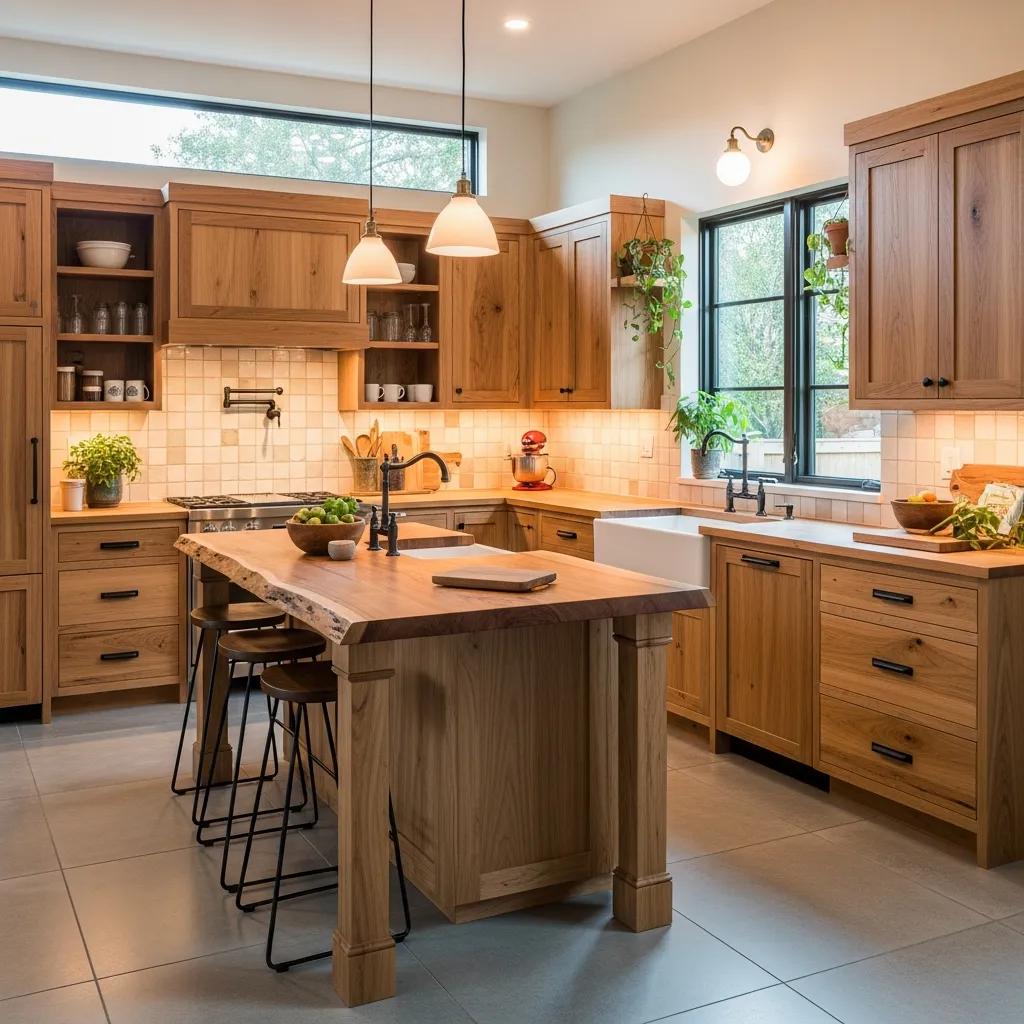
Sustainable kitchen and wardrobe remodelling focuses on reusing carcasses, resurfacing doors and using low‑VOC finishes alongside reclaimed or sustainably sourced timber to cut waste and embodied carbon. Common strategies are repairing and repainting existing units, fitting reclaimed timber doors to existing frames and specifying eco‑friendly finishes that balance durability with lower emissions. Sustainable Refurbished Furniture By HDS notes that new kitchens are coming soon and offers a FREE design option to help clients explore combining restored elements with new bespoke components. These methods keep interventions targeted, reduce material use and extend the life of built‑in furniture.
How Long Does Furniture Restoration Take and What Factors Influence the Timeline?
Timing depends on complexity, condition and chosen techniques. Simple refreshes—cleaning, light sanding and re‑oiling—usually take days to a couple of weeks. Full strip‑and‑refinish jobs typically need two to six weeks for stripping, drying and recoats. Structural repairs, re‑veneering or specialist conservation can stretch to several weeks or months, especially if period materials must be sourced. Workshop schedule, specialist subcontractors (inlay, gilding) and parts procurement also affect lead times. A clear initial assessment is the best way to get an accurate estimate.
Note: drying and curing times for finishes, plus any required stabilisation for veneers or inlays, are major factors in scheduling.
| Service Type | Typical Timeframe | Key Factors | Example |
|---|---|---|---|
| Light refresh (clean & oil) | 3–10 days | Surface prep, minor fillers | Dining chairs re‑oiled and polished |
| Full strip & refinish | 2–6 weeks | Stripping method, drying, recoat times | Table stripped, stained, lacquered |
| Structural repair & re‑veneering | 3–8 weeks | Glue curing, veneer sourcing, stabilisation | Cabinet with missing veneer panels |
| Specialist antique conservation | 6–12+ weeks | Period materials, conservation records | Inlay restoration, woodworm treatment |
What Are Typical Timeframes for Different Restoration and Repair Services?
Light refreshes often finish within days to a couple of weeks, while full structural repairs and refinishes usually require several weeks to allow adhesives to set and finishes to dry. For example, a chair re‑glue and re‑oil can be done in about a week; a stripped and lacquered sideboard might take three to five weeks; conservator‑led antique work can exceed two months because of delicate treatments and documentation. Allow time for assessment, approval of methods and any material ordering when scheduling drop‑off and collection.
Practical tip: book by appointment to align your project with workshop capacity and to view similar completed work.
How Do Complexity and Material Type Affect Restoration Duration?
Intricate joinery, detailed inlays, rare timber sourcing and extensive veneer work all add time because they need specialist skills and careful matching. Heavily worn softwoods may need quicker replacement or reinforcement; dense hardwoods tolerate more sanding but sometimes require longer drying for certain finishes. Antiques with documented provenance or fragile surfaces are treated slowly to protect original material. For larger bespoke or kitchen projects, coordinating restoration with new fabrication also lengthens lead times—so allow generous scheduling and contact the workshop for up‑to‑date availability and estimates.
To book appointments, request estimates or view the showroom and warehouse in Hampsthwaite, contact Sustainable Refurbished Furniture By HDS at Unit 1B, Hollins Lane, Hampsthwaite, Harrogate HG3 2HL, by email at sales@furniturebyhds.com or by phone at +44 7583 489580. Visits are by appointment to ensure focused consultations and accurate project planning.
Frequently Asked Questions
What is the difference between conservation and restoration in furniture repair?
Conservation aims to preserve original materials and historic integrity using reversible methods so future conservators can undo interventions. Restoration focuses on returning a piece to functional and visual condition and may involve more invasive repairs. Conservation is prioritised for antiques; restoration is often chosen for everyday pieces where usability and appearance matter most.
How can I maintain my refurbished furniture to ensure its longevity?
Regular dusting with a soft, slightly damp cloth keeps surfaces clean—avoid harsh chemicals. For oiled surfaces, re‑oil periodically as recommended; for waxed finishes, top up the wax. Keep furniture away from direct sun and extreme humidity to prevent fading and warping. Follow any specific care notes from your restorer to keep the piece looking and performing its best.
What types of wood are most commonly used in furniture restoration?
Common restoration woods include oak, walnut, mahogany and cherry. Oak’s open grain suits oil finishes and heavy use; walnut offers rich tone and fine grain; mahogany polishes deeply and suits fine furniture; cherry brings warm colour and a smooth finish. Each species calls for tailored techniques and finish choices for best results.
Are there specific eco-friendly finishes recommended for furniture restoration?
Yes—plant‑based oils like tung and linseed, low‑VOC water‑based lacquers and hard wax oils are widely used. These options lower solvent emissions and can be biodegradable or easier to maintain. We recommend choosing finishes based on the piece’s use and desired longevity, balancing appearance with environmental impact.
What should I consider when choosing a workshop for furniture restoration?
Look for experience with your type of piece, especially if it’s an antique. Check reviews or testimonials, ask about materials and methods, and confirm the workshop’s approach to sustainability if that’s important to you. Good shops communicate timelines, costs and aftercare clearly and provide documentation of the work performed.
How can I tell if my furniture is worth restoring?
Assess condition, craftsmanship and historical or sentimental value. High‑quality materials and hand joinery often make restoration cost‑effective. If the piece is a family heirloom or has unique details, restoration usually pays off beyond monetary value. When in doubt, get a professional opinion to weigh repair costs against replacement.
Conclusion
Choosing refurbished wooden furniture supports sustainable practice and adds distinct character to your home. Professionally restored pieces offer lower environmental impact, good value and the durability that comes from quality craft. This guide is designed to help you make informed choices about restoration and refurbishment so you can pick options that match your priorities. Explore our collection of sustainably refurbished furniture to find the right piece for your space.